Developments in Aboriginal and Indigenous Law 2026
October 28 & 29, 2026 at 9:00AM PDT
Downtown Vancouver and Live Webinar
Developments in Aboriginal and Indigenous Law 2026
October 28 & 29, 2026
Overview
What a year!!
Join us for our annual update on the state of Aboriginal and Indigenous Law.
Our exceptional faculty will cover the latest developments, landmark court decisions, and practical frameworks shaping the future of Aboriginal rights, title, and self-government in this dynamic field.
Staying informed is crucial for advisors to effectively support their clients whether they be First Nations, Indigenous individuals, businesses or local, provincial and federal governments.
This program is designed to equip you with the knowledge to navigate challenges and seize opportunities in the field of Aboriginal and Indigenous law.
Join us as we bring together the leading experts who will delve into the latest developments in litigation, governance and economic development, offering practical insights and strategic guidance.
Gain the critical insights you need to succeed in this rapidly evolving area of Aboriginal and Indigenous law in Canada.
Key Areas Addressed:
The impact on major projects - UNDRIP and the transformation of the duty to consult
The Key Cases on treaty interpretation, Indigenous legal orders, and living treaties
The honour of the Crown beyond government
Aboriginal title in light of the recent court of appeal decision in Nuchatlaht v. British Columbia
What insight and direction can we take from the recent court decisions?
Aboriginal title and private property - competing property regimes – the recent decisions in Cowichan (B.C.) (2025) and Wolastoqey Nation (N.B.) (2025)
Environmental stewardship approaches on Aboriginal lands
Legislative reconciliation and the next frontiers of sectoral self-government for First Nations and Inuit
Consent frameworks in practice
Citizenship, membership and second generation cut-off
This Forum is Designed For:
Indigenous leaders, officials, councillors, elders, negotiators, administrators, and advisors
Lawyers practising in the areas of Indigenous law, Aboriginal law, administrative law, and business law
Owners, managers and representatives of resource development companies and companies operating on Crown land
Federal, provincial and municipal government officials and policy advisors
Consultants, accountants, financial planners, and others assisting First Nations with financial matters and business operations
Agenda
Day One - October 28, 2026
9:00 - Welcome and Introduction by PBLI
9:05 - Chairs’ Welcome and Introduction
Karey Brooks, K.C.
JFK Law LLP, Vancouver
Sara Mainville
JFK Law LLP, Toronto
9:15 - The Impact on Major Projects - UNDRIP and the Transformation of the Duty to Consult
Lisa C. Fong, K.C.
Ng Ariss Fong Lawyers, Vancouver
Ruben Tillman
Ng Ariss Fong Lawyers, Vancouver
Lara Koerner-Yeo
JFK Law LLP, Toronto
The Key Cases – Gitxaala v. British Columbia (Chief Gold Commissioner); Kebaowek First Nation v. Canadian Nuclear Laboratories and Saskatchewan (Environment) v. Métis Nation – Saskatchewan
Is UNDRIP becoming operationalized through administrative law?
Does “free, prior and informed consent” meaningfully alter consultation doctrine?
Is Canadian consultation law moving toward substantive outcomes rather than procedural adequacy?
How should tribunals and regulators incorporate UNDRIP into decision-making?
The future relationship between Haida consultation doctrine and UNDRIP
Parallel proceedings and the procedural realities of Indigenous rights litigation
Consultation obligations in the context of unresolved Métis rights and title claims
10:25 - Questions and Discussion
10:40 - Refreshment Adjournment
10:55 - The Key Cases on Treaty Interpretation, Indigenous Legal Orders, and Living Treaties
Harley Schachter
Duboff Edwards Schachter Law Corporation, Winnipeg and Vancouver
Senwung Luk
Olthuis Kleer Townshend LLP, Toronto
The Cases - Restoule v. Canada (2024) and Colville Lake Renewable Resources Council v. Northwest Territories (Minister of Environment and Natural Resources) (2025)
Indigenous legal orders in treaty interpretation
Indigenous knowledge as law and evidence
Historic treaties as “living relationships”
Treaty implementation versus historic interpretation
12:00 - Questions and Discussion
12:15 - Networking Lunch
1:15 - The Honour of the Crown Beyond Government
Molly Churchill
JFK Law LLP, Toronto
The recent cases:
Innus de Uashat et de Mani-Utenam c. Hydro-Québec (2025) and Québec (Attorney General) v. Pekuakamiulnuatsh Takuhikan (2024)
Crown corporations and the honour of the Crown
Good faith obligations in negotiations
Remedies for dishonourable conduct
Modern agreements and fiduciary principles
2:05 - Questions and Discussion
2:20 - Refreshment Adjournment
2:30 - Aboriginal Title in Light of the Recent Court of Appeal Decision in Nuchatlaht v. British Columbia (2026)
Owen L. Stewart
Lawyer
Proving the Obvious: Evidentiary standards for proving Aboriginal title
Occupation, sufficiency, and continuity after Tsilhqot’in
Strategic considerations in modern Aboriginal title litigation
Implications of Nuchatlaht for future title litigation across Canada
3:20 - Questions and Discussion
3:30 - Faculty Roundtable: What insight and direction can we take from the recent court decisions?
4:00 - Questions and Discussion
4:10 - Chairs’ Closing Remarks for Day One
4:15 - Forum Concludes for Day One
Day Two - October 29, 2026
9:00 - Chairs’ Welcome to Day Two
Karey Brooks, K.C.
JFK Law LLP, Vancouver
Sara Mainville
JFK Law LLP, Toronto
9:10 - Aboriginal Title and Private Property - Competing Property Regimes – The Recent Decisions in Cowichan (B.C.) (2025) and Wolastoqey Nation (N.B.) (2025)
David Robbins
Woodward & Co. Lawyers LLP, Victoria
Renée Pelletier
Olthius Kleer Townshend LLP, Toronto
A review of the cases: Cowichan Tribes v. Canada — 2025 BCSC 1490 and J.D. Irving, Limited et al. v. — 2025 NBCA 129
Interaction between Aboriginal title and fee simple interests
Private land and historic Crown grants
Remedies and implications for landowners and governments
Procedural and constitutional implications of large-scale title claims
10:35 - Questions and Discussion
10:50 - Refreshment Adjournment
11:05 - Environmental Stewardship Approaches on Aboriginal Lands
Indigenous Protected Conservation Areas (IPCAs)
Update on the Blueberry River Agreement
What is happening on the ground and in the waters in Haida Gwaii?
11:50 - Questions and Discussion
12:00 - Networking Lunch
1:00 - Legislative Reconciliation and the Next Frontiers of Sectoral Self-Government for First Nations and Inuit
Naiomi Metallic, K.C.
Dalhousie Law School, Halifax
Bill C-92
Creation of National Standards
Child welfare jurisdiction for Cowichan children
Education jurisdiction in Indigenous communities
Health jurisdiction (BC or another jurisdiction)
Which communities have taken up responsibility for these matters?
1:50 - Questions and Discussion
2:00 - Consent Frameworks in Practice
Sara Mainville
JFK Law LLP, Toronto
How the issues are covered in the framework agreements
Key issues to address in the framework agreements
How can we achieve more certainty?
2:40 - Questions and Discussion
2:50 - Refreshment Adjournment
3:00 - Citizenship, Membership and Second Generation Cut-Off
Claire Truesdale
JFK Law LLP, Vancouver
The case law
Understanding membership
Indian Act amendments
Charter challenges
What new approaches can be explored?
4:00 - Questions and Discussion
4:10 - Chairs’ Closing Remarks
4:20 - Forum Concludes
Meet the Co-Chairs

-
Partner, JFK Law LLP, Vancouver
Karey primarily acts for First Nations and First Nations organizations in court and negotiations with government and industry on matters relating to Aboriginal rights and title, consultation, regulatory matters, including environmental assessments, and general governance matters, including status and membership issues. Karey also has experience in other public law related work, including with respect to Charter rights litigation and public inquiries.
Karey was one of the original members of the firm in 2009. She specializes in civil litigation, focusing on Aboriginal, constitutional, and administrative law. She has represented clients at all levels of court across British Columbia, Alberta, and Ontario. Karey’s primary role involves advocating for First Nations and their organizations in both legal and negotiation contexts with governments and industries on issues related to Aboriginal rights and title, consultation, regulatory matters and general governance issues like status and membership.
In her extensive legal career, Karey has handled complex litigation involving Indigenous rights including:
Representing Beaver Lake Cree Nation in addressing the industrial impacts on traditional lands, enforcing treaty rights protections, and securing a landmark advance cost order for government-funded litigation costs.
Representing Kwikwetlem First Nation in its Aboriginal title claim, tackling novel issues of land rights extinguishment and Charter claims due to an absent Aboriginal land title registration system.
Representing Grassy Narrows First Nation in challenging the provincial authority’s application of the “taking up” clause under Treaty 3.
Representing Snaw-Naw-As Nation in reclaiming lands no longer used for railway purposes and pursuing remediation damages.
Representing Ermineskin First Nation in a Charter claim for safe drinking water on the reserve.
Representing Mikisew Cree Nation in enforcing government consultation obligations on legislative changes affecting treaty rights.
Representing individuals challenging the Peters Nation Band Council’s membership denial decisions.
Additionally, Karey has extensive experience in public law, including Charter rights and public inquiries, having served as Associate Commission Counsel for the BC Missing Women’s Commission of Inquiry (the Oppal Commission). She is currently the lead counsel in a class action against WestJet Airlines, focusing on systemic breach of contract issues, particularly the adequacy of the airline’s anti-harassment program.
Karey is highly regarded in the legal community, recognized by “Benchmark Litigation” and “Chambers and Partners” for her expertise in Aboriginal Law. She has been named one of The Best Lawyers in Canada in Aboriginal Law since 2017 and received accolades such as the UBC Law School Outstanding Young Alumnus Award in 2016 and was listed as one of Canada’s legal Rising Stars by Lexpert in 2015. Since 2017, she has also been ranked as a Leading Lawyer in Aboriginal Law by The Canadian Legal Lexpert Directory.
In 2021, Karey was appointed King’s Counsel. In 2022, Karey was elected as a Fellow into the International Academy of Trial Lawyers.
Karey is regularly asked to chair and present in CLE programs on topics relating to aboriginal law and advocacy including for the CLE, Trial Lawyers, and PBLI. Karey also pursues continuous education, holding two Masters of Law degrees from Osgoode Hall Law School.
-
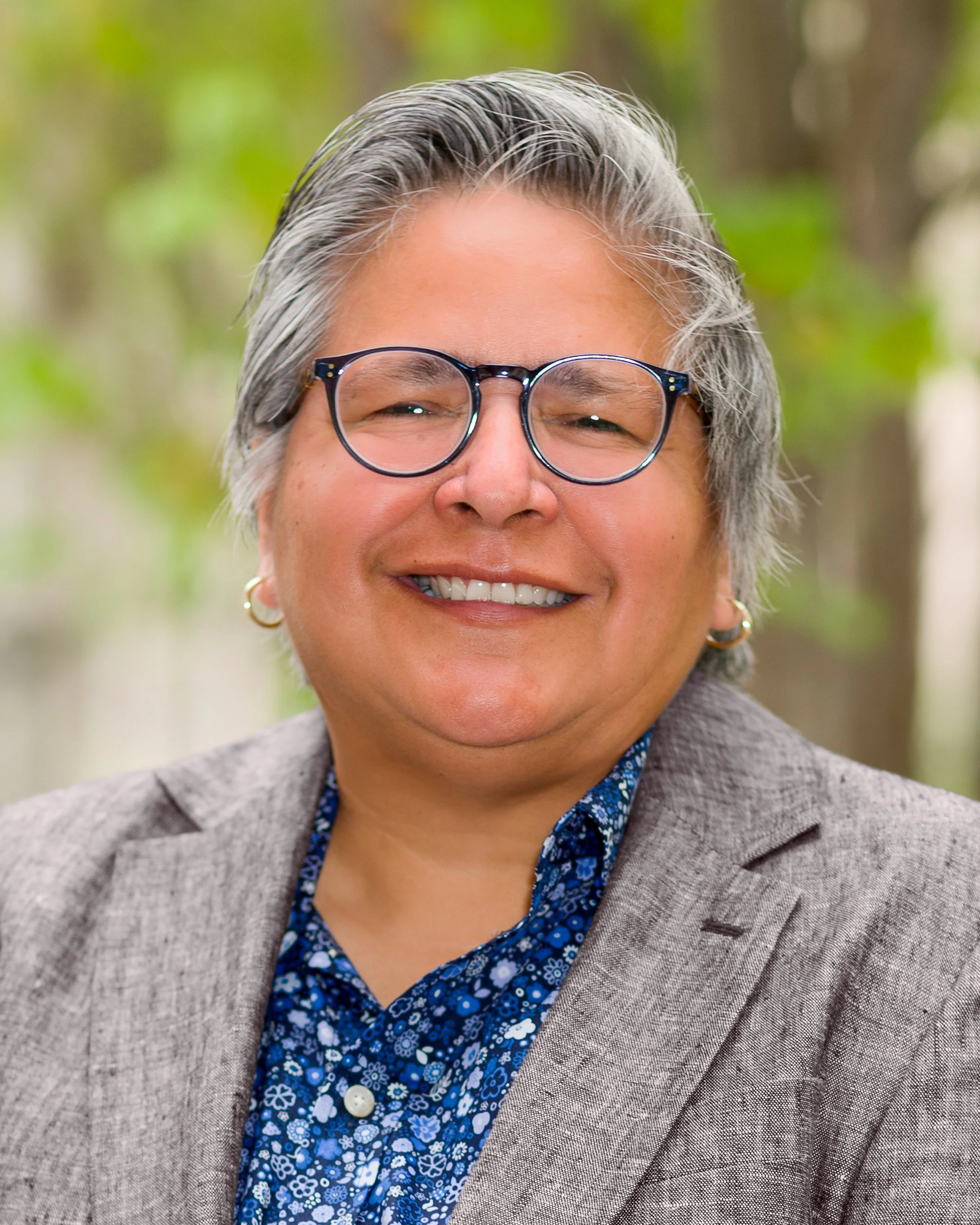
Managing Partner, JFK Law LLP, Toronto
Sara Mainville has been a member of the Ontario bar (2005), the BC bar (2022), and the Saskatchewan bar (2024) with specific matter approvals to practice in Nunavut and Quebec. Sara has a Management/Public Administration degree (Lethbridge) and a Bachelor of Laws from Queen’s University. She has a LLM from the University of Toronto, an Advanced Negotiations certificate from Harvard University, a certificate in ADR, Media training, and a Certificate in Entertainment Law (Osgoode PD).
During her early practice years with a well-known Anishinaabe law firm, Sara completed her LL.M (University of Toronto) and a thesis titled: Manidoo Mazina’igan: An Anishinaabe perspective Treaty 3, which was one of the earliest examples of Indigenous (“Miinigoziwin”) constitutional research by a legal practitioner.
Sara continues to work with First Nations and Inuit clients and is one of the few practicing lawyers that works as much within Indigenous constitutionalism and ”Indigenous law” as within the Canadian constitutional order (“Aboriginal law”).
In 2014, Sara was elected as Chief of Couchiching First Nation after the sudden death of her friend and mentor, Chief Chuck McPherson. During that term she ensured that the First Nation has strong policy going forward, a good social media presence to engage the many off-reserve members in community affairs and she livestreamed her Chief and Council and community meetings. Sara uses this experience as a former Chief to help leadership work past difficult issues, within Indigenous forms of dispute resolution, and walk the community through processes to encourage discourse and grassroots solutions to long-held problems. Sara is a strong believer that self-determination requires the Indigenization of our policies, approaches, and legal frameworks.
Sara Mainville is very proud of her participation in the negotiations that led to the creation of the First Nation Sovereign Wealth LP (FNSWLP), a partnership of 129 First Nations in Ontario. Directed by a Chiefs’ Committee on Energy, Sara was active in the negotiations that resulted in the commercial transaction between the Province of Ontario and the FNSWLP of 14 million Hydro One shares and $29 million in seed capital to facilitate long-term wealth creation for the partnering First Nations. The lengthy discussions to transaction closing were completed between October 2015 to the final days of December 2017.
Sara has completed Advanced Negotiations training at Harvard University and dispute resolution, legislative drafting, and mediation training at professional institutes in order to advance her clients’ long held goals for self-determination and truer treaty partnerships in Canada.
Recently, Sara has received a certificate in Entertainment Law, and she has helped clients with Indigenous intellectual property, copyright, and title issues to accommodate better approaches to recognize collective Indigenous knowledge system, community protocol, and cultural ways and values. She is very committed to mentor JFK Lawyers and facilitate legal practices that are better suited to serve the self-determination and ambitions of our clients.
Sara is generally seen as a subject-matter expert about Crown-Indigenous relations, the United Nations Declaration on the Rights of Indigenous Peoples, Treaty 3, and Anishinaabe Inakonigewin. However, Sara sees herself as a life-long learner willing to meet in community, read voraciously, and listen intently to better understand Indigenous knowledge systems across Canada.
Sara is on the boards of the Ontario Bar Association and the Shine Network. She was formerly on the boards of Ecojustice and the Catherine Donnelly Foundation. Sara Mainville loves to teach and she is part of a team of JFK Lawyers teaching Nation-building and Inherent jurisdiction at Osgoode Law School in Toronto. Sara is also the Managing Partner of JFK Law LLP.
Meet the Faculty
-
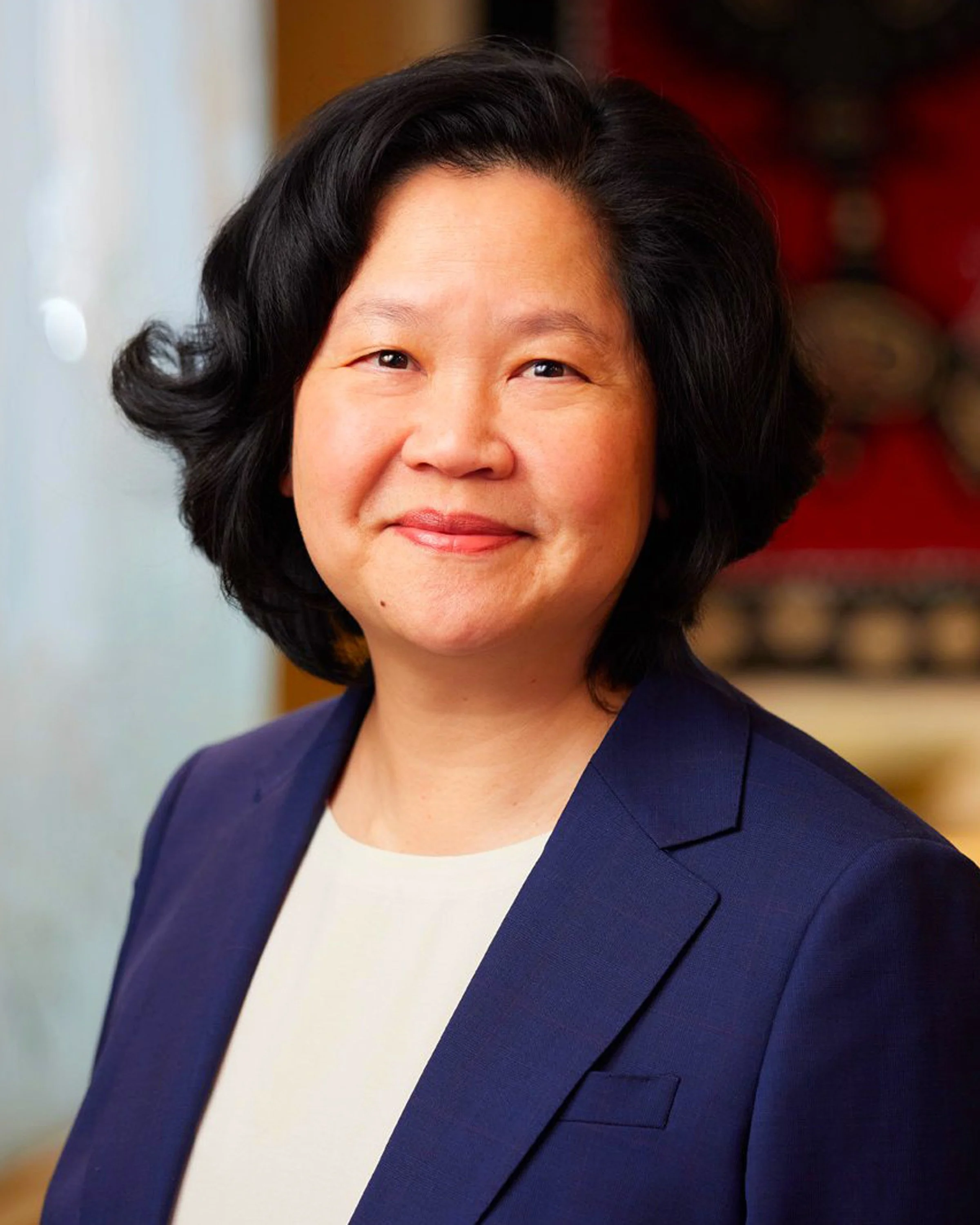
Partner, Ng Ariss Fong Lawyers, Vancouver
Lisa’s love for great pie is equally matched by her respect for the law. She believes that good law is necessary to maintain a fair and just society and that we are all responsible for maintaining good law. She applies this belief to pie also.
Her practice is a blend of administrative, aboriginal and environmental litigation, and advising governmental bodies.
In professional regulatory law, Lisa advises both regulatory bodies and professionals. This breadth of her experience gives her a depth of knowledge that allows her to serve clients with a comprehensive view of their legal issues.
She advises professional regulatory bodies on all areas of their responsibilities including quality assurance, registration, inquiry, discipline, reviews and appeals. In acting for professionals, Lisa has defended them against allegations of misconduct, incompetence, and lack of good character in registration matters.
Lisa has the privilege of assisting Indigenous governments in asserting the aboriginal rights and title of their peoples. She has a special interest in energy projects and assisting her Indigenous clients in exercising their governance powers to determine whether such projects should proceed.
Her practice also extends to general commercial litigation including a variety of contract disputes (e.g. leases, employment contracts, purchase and sale agreements, and shareholders’ agreements), and tort disputes (e.g. negligence, economic interference, and interference with property).
Significant matters include:
Gitxaala Nation v. British Columbia (Chief Gold Commissioner), 2025 BCCA 430 [establishing that a common law presumption of conformity with UNDRIP applies to Canada’s domestic law, and that inconsistencies between laws of BC and UNDRIP are justiciable under BC’s DRIPA s. 3], allowing an appeal on an aspect of 2023 BCSC 1680 [a judicial review about the legality of mineral tenures grants without prior Indigenous consultation, and establishing that the Crown must consult with Indigenous peoples before granting mineral tenures on their territories];
College of Physicians and Surgeons of British Columbia v. The Health Professions Review Board, 2022 BCCA 10 [Dawson] (HPRB’s application for leave to appeal to the SCC dismissed);
College of Midwives of British Columbia v. MaryMoon, 2020 BCCA 224;
Reference re: the Environmental Management Act, S.C.C. Court File No. 38682, January 16, 2020 [concerning proposed amendments to B.C.’s Environmental Management Act – representing Heiltsuk First Nation as an Intervenor];
College of Physicians and Surgeons of British Columbia v. Health Professions Review Board, 2019 BCSC 539 [Feldman];
College of Physicians and Surgeons of British Columbia v. Health Professions Review Board, 2018 BCSC 2021 [Dawson];
Maroofi v. College of Physicians and Surgeons of British Columbia, 2017 BCSC 1558 and Maroofi v. Health Professions Review Board, 2020 BCSC 1243;
Gitxaala Nation and others v. Her Majesty the Queen, 2016 FCA 187 [duty to consult on Northern Gateway Enbridge pipeline];
Ktunaxa Nation v British Columbia (SCC file 36664; appeal of 2015 BCCA 352) [aboriginal spirituality – intervenor factum];
Scott v. College of Massage Therapists, 2016 BCCA 180 [interim suspension];
College of Massage Therapists of BC v. Martin (CMTBC Discipline Committee 2015) [sexual misconduct and penalty decisions];
Cohen Commission on the Inquiry into the Decline of Fraser River Sockeye Salmon (2010-2011);
Public Commission on Legal Aid (2010);
Newman v. Halstead, 2006 BCSC 65 [defamation of professionals]; and
Stuart v. British Columbia College of Teachers, 2005 BCSC 645 [competence].
Lisa works with First Nations on law reform, which in recent years has included Canada’s Indigenous consultations on the Canadian Environmental Assessment Act, the Fisheries Act, the Navigation Protection Act, the National Energy Board Act, the Pilotage Act, and the Oil Tanker Moratorium Act, and British Columbia’s Environmental Assessment Act.
Lisa regularly gives presentations in her areas of practice and writes for the firm’s two blogs. She is a member of the Boards of Directors of the West Coast Environmental Law Research Foundation, and the British Columbia Law Institute. See the firm’s events page here.
When not working, Lisa can be seen at Vancouver’s hippest pie spots. She does not bake her own pies because she’s a terrible baker, but actively befriends people who can bake great pies.
Lisa practices through Lisa C. Fong (2024) Law Corporation.
-
Associate Professor of Law; Chancellor's Chair in Aboriginal Law and Policy; Aboriginal Law Certificate Coordinator, Schulich School of Law, Dalhousie Law School, Halifax
I hail from the Listuguj Mi’gmaq First Nation located on the Gaspé Coast of Quebec, known as the Gespegewagi district of Mi’kma’ki. I speak English, French and am becoming fluent Mi’gmaq (I have been taking weekly lessons since May 2018). After nearly 10 years of a very rewarding practice in Aboriginal law, I decided to make the move to academia to continue my work for First Nations in a different way — through teaching, writing, and speaking about the issues facing Indigenous peoples in Canada and how the law can be a tool for reconciliation and improving the lives of Indigenous peoples.

-
Senior Associate, JFK Law LLP, Toronto
Mary (Molly) Churchill was called to the Ontario bar in 2017, and her practice has focused on holding the powerful to account.
She is a graduate of McGill University’s joint social work and law program, where she earned an MSW alongside her common law and civil law degrees. Upon graduation, Molly clerked for the honourable Justice Leonard Mandamin (ret.) at the Federal Court of Canada as he presided over a complex trial brought by seven Anishinaabeg First Nations in south-central Ontario about the 1923 Williams Treaties and honour of the Crown.
Molly entered law school with a desire to learn more about how the Canadian state justifies itself and conceptualizes its relationship with Indigenous nations from a legal standpoint. Throughout her time at law school, Molly sought out and created opportunities to learn not only about Canadian legal traditions, but also about Indigenous legal traditions and understandings of treaties. She is committed to continuing this learning.
Molly has appeared before all levels of Court in Ontario as well as before several administrative tribunals. Prior to joining JFK Law LLP in October 2022, Molly often traveled to northern Ontario to work with clients from Treaty 9, Treaty 5, and Treaty 3 territories. Her work included litigation and negotiation in the area of First Nations child welfare reform as well as police accountability work. Molly is thrilled to be joining JFK Law LLP as an associate in its Toronto office.
Molly grew up with her two brothers in Toronto and is the daughter of Irish-American immigrants to Canada. She loves basketball, baking, and her big extended family.
-
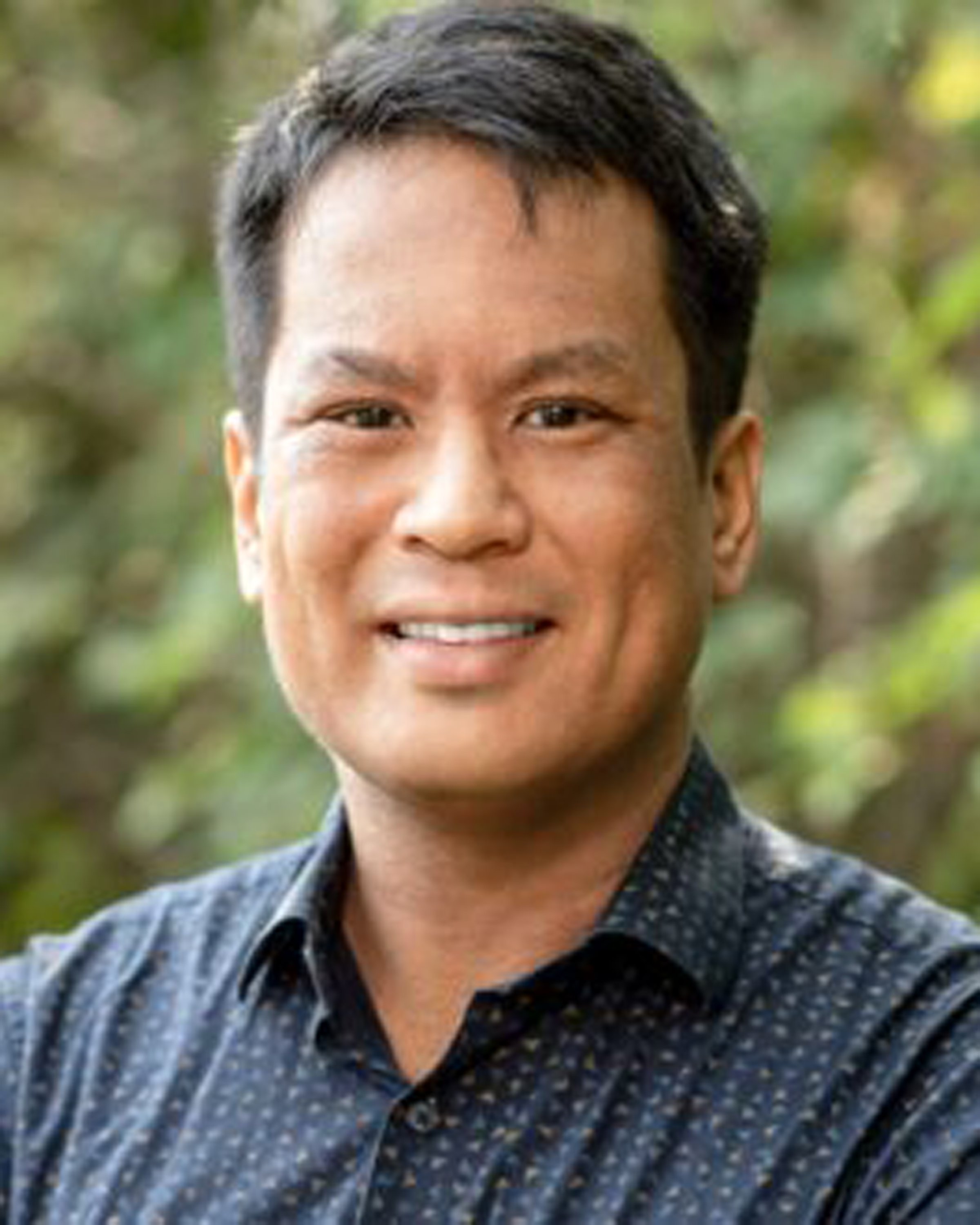
Partner, Olthuis Kleer Townshend LLP, Toronto
Senwung Luk is a Partner at OKT. He has appeared in different levels of court and tribunals, including the Supreme Court of Canada and various courts of appeal, representing Indigenous clients fighting for their rights. He has focuses on litigation on Aboriginal rights and title, the Crown's fiduciary obligations to First Nations, and the implementation of Impacts and Benefits Agreements (IBAs). He has numerous peer-reviewed publications on these areas and his work has been cited by different levels of court, including the Supreme Court of Canada.
Senwung received his J.D. from Osgoode Hall Law School, where he won awards for highest standing in Aboriginal law, civil liberties, and constitutional law courses. He served as law clerk to Mr. Justice John Evans of the Federal Court of Appeal of Canada. Senwung has also earned a Bachelor of Arts degree from Yale University and a postgraduate Bachelor of Civil Law degree from the University of Oxford.
Senwung is a member of the Bars of Ontario, the Northwest Territories, and Newfoundland and Labrador, and is listed as Consistently Recommended in the Canadian Legal Lexpert Directory on Indigenous Law. He has also been recognized in the areas of Aboriginal Law / Indigenous Practice and Administrative and Public Law in The Best Lawyers in Canada™.
Senwung Luk provides his services through a Professional Corporation.
-
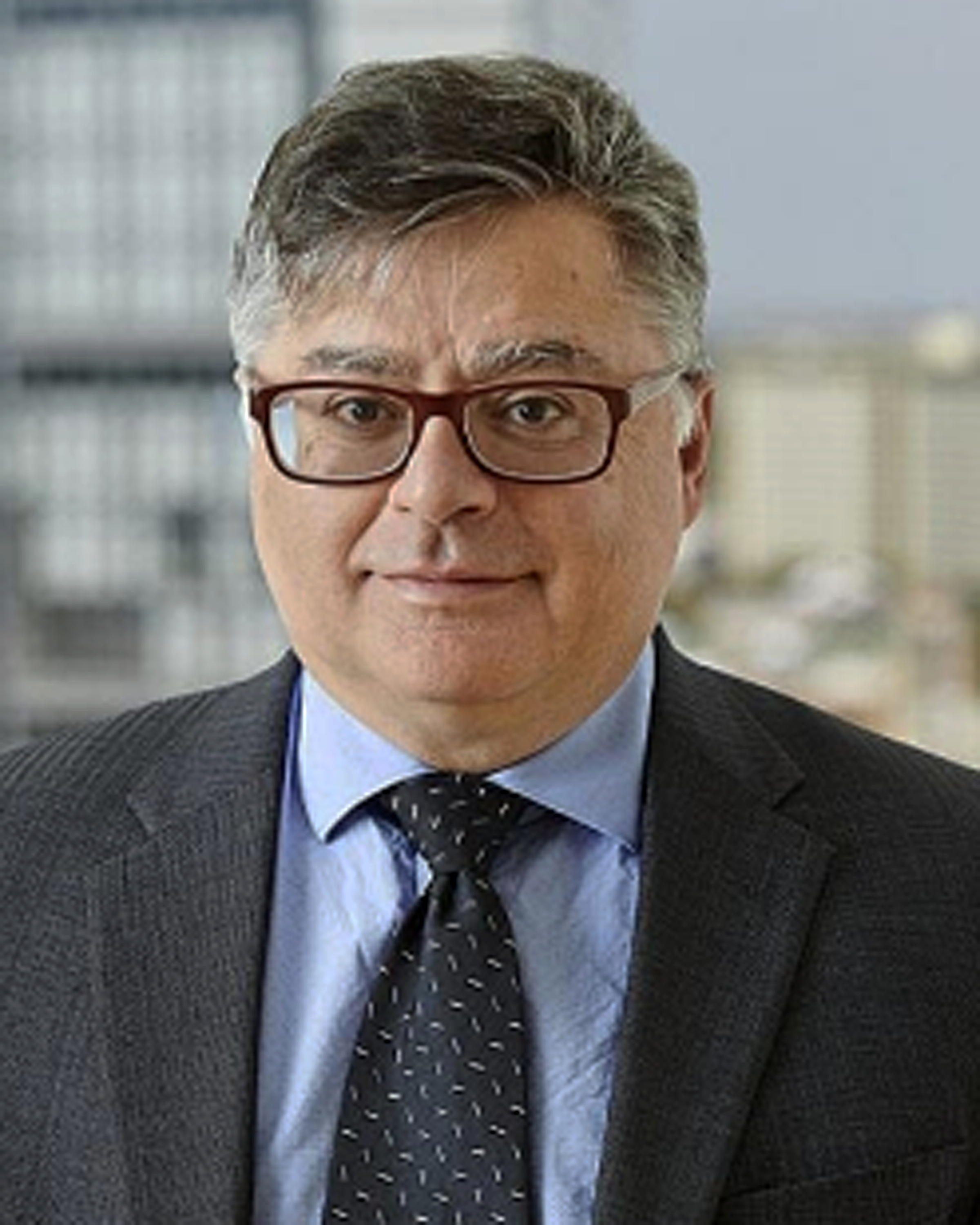
Partner, Duboff Edwards Schachter Law Corporation, Winnipeg and Vancouver
Harley Schachter is one of the founding partners of the Winnipeg law firm of Duboff Edwards Schachter Law Corporation. His practice focuses on all types of litigation and alternate dispute resolution, including Aboriginal law, Constitutional law, Insurance law and civil litigation.
Practicing for close to 30 years, Harley appears in all levels of courts, and has significant experience in the superior courts in several provinces, including Manitoba, Ontario and British Columbia, the Federal Courts and in the Supreme Court of Canada.
In addition to being legal counsel representing Aboriginal groups in a number of precedent setting Aboriginal and Treaty rights cases and Judicial Review cases, Harley has negotiated numerous multi-million dollar out-of-court settlements, including a number of major Hydro settlements.
Harley is experienced in the field of Alternate Dispute Resolution, and helped develop the dispute resolution model on which the Indian Residential School Independent Assessment Process was based, and has helped Aboriginal communities resolve significant internal governance disputes.
Harley is a past two-term chair of the Aboriginal law subsection of the Manitoba Bar Association, and taught Aboriginal law at the University of Winnipeg. He speaks from time to time on a wide range of topics at various symposia and continuing education conferences which are organized by private organizations, bar associations, and law societies.
Harley is often consulted by, and collaborates with many other Aboriginal rights lawyers across the country who, like Harley, strive for excellence. He considers his greatest achievements to be not the battles that have been won, but the people he has helped along the way, and the relationships that have been forged in the process.
Harley attended the University of Manitoba’s Robson Hall Law School graduating in 1983. Called to the Manitoba Bar in 1984 and the British Columbia Bar in 1999, he assists clients from across the country from the firm’s Vancouver and Winnipeg offices.
-
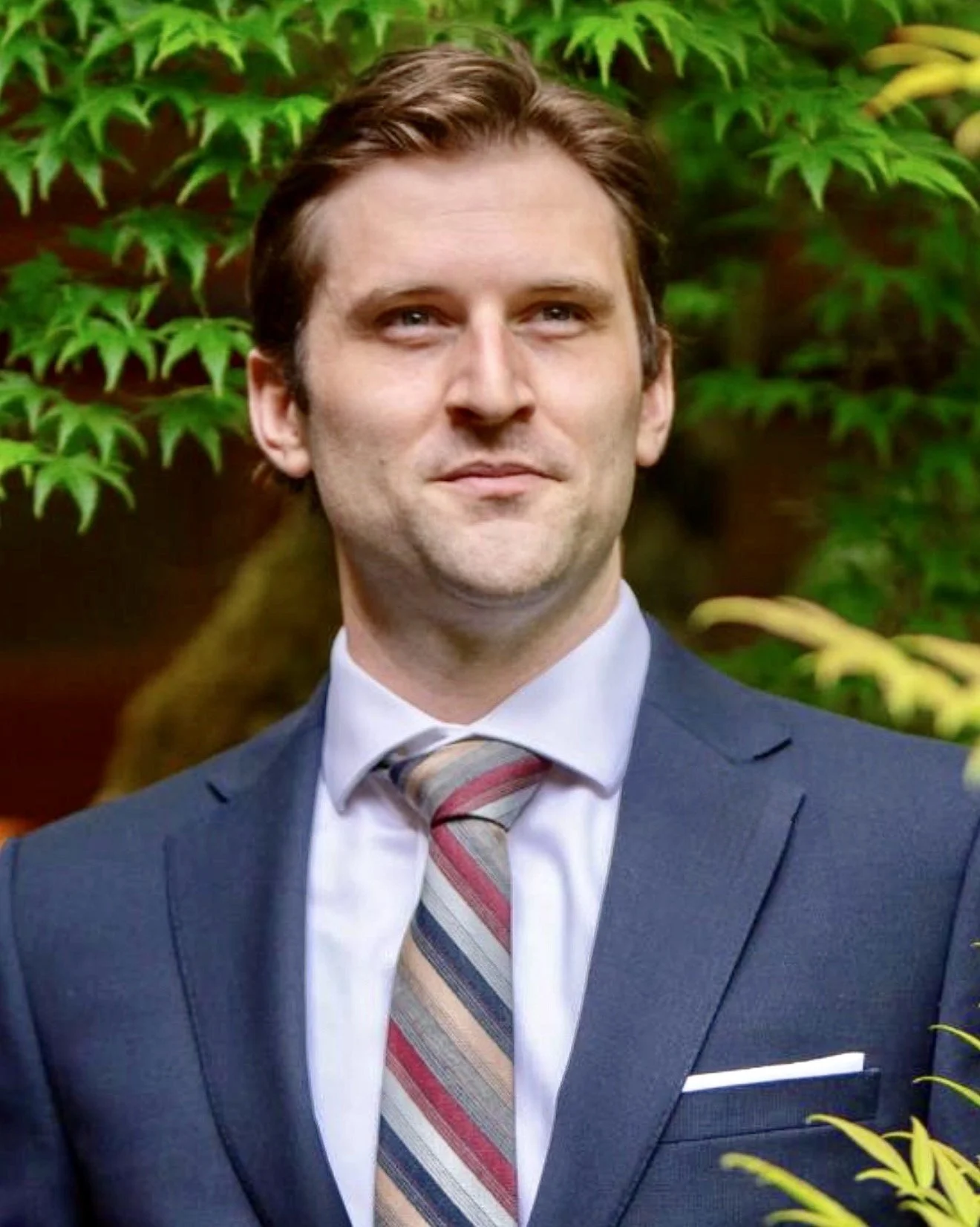
Lawyer
Owen L. Stewart is an Aboriginal rights lawyer based in coastal BC. He has been involved in major Aboriginal and treaty rights litigation and negotiation across the country, including the recent Nuchatlaht decisions. From Burnaby BC, Owen strives to meet the needs of First Nations communities in a modern era, and recognizes the many faceted challenges they face. Not quite Nation-building, he believes that the longer First Nations are held back, the longer BC and Canada are held back.
-
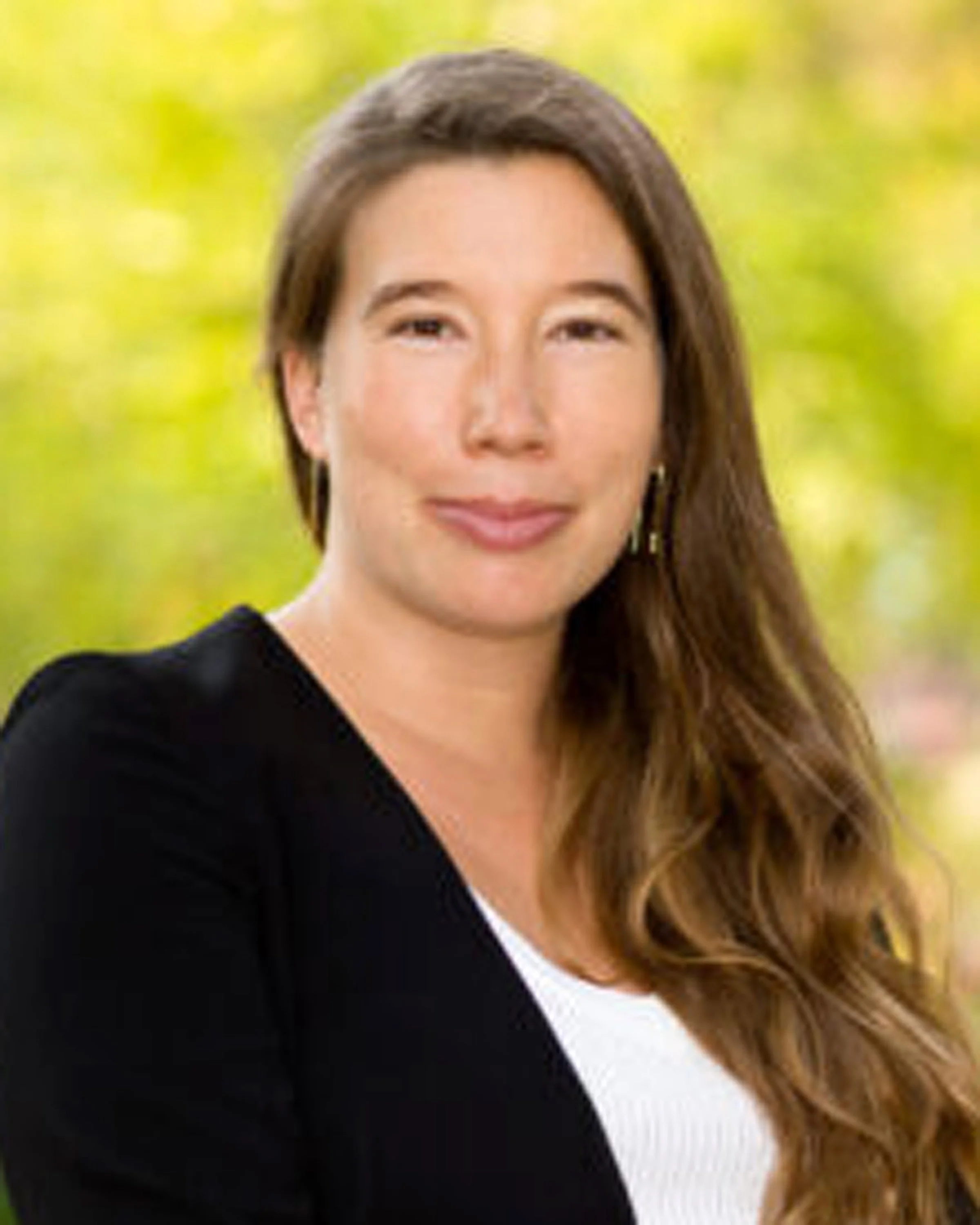
Senior Associate, JFK Law LLP, Toronto
Lara is an associate at the Toronto JFK Office. Lara works with Indigenous clients to advance the recognition and implementation of their Indigenous laws and the exercise of their inherent, Aboriginal and Treaty rights within Canada’s legal system.
Lara’s practice encompasses Indigenous laws and governance work, Aboriginal and Treaty rights litigation, and constitutional and public law litigation with a focus on equality rights and anti-discrimination law and policy matters.
Lara works with First Nations on lands and resource issues and is passionate about advancing Indigenous land and water stewardship, including through Guardians and Indigenous Protected and Conserved Area (IPCA) initiatives. Lara has a background in international human rights law with a particular focus on the United Nations Declaration on the Rights of Indigenous Peoples (UNDRIP) and the Convention on the Elimination of All Forms of Discrimination Against Women (CEDAW). Lara’s international human rights work has focused on advocating for domestic law and policy reform that provides for the recognition and protection of the rights set out in these international instruments in Canada.
Lara has appeared before every level of court in Ontario, the Federal Court of Appeal, and administrative tribunals. She represents clients in and outside the court room, including in engagement processes, negotiations, mediations, judicial reviews, interventions, and appeals.
Lara received her Juris Doctor from the University of Toronto, Faculty of Law in 2017, graduating with the Dean’s Leadership Award and a Certificate in Aboriginal Legal Studies. She is an alumnus of the David Asper Centre’s Constitutional Advocacy Clinic and Osgoode Hall Law School’s Intensive Program in Aboriginal Lands, Resources and Governments. Lara completed a Master’s in international human rights at SciencesPo’s Paris School of International Affairs in 2013.
Lara is a committed Indigenous rights and women’s human rights advocate who volunteers her time in support of Indigenous and settler feminist organizations and grassroots feminist and anti-racist organizers. She was on the Steering Committee of the Canadian Feminist Alliance for International Action (FAFIA) from 2015 to 2021 and is a Core Team member of Pima’tisowin e’mimtotaman / We Dance for Life. Lara also serves as a Board member of Terralingua. At FAFIA, Lara’s advocacy work focused on the elimination of the root causes of violence against Indigenous women and girls, including the elimination of sex discrimination in the Indian Act. Lara worked with Human Rights Watch on the role of policing in the crisis of violence, contributing to Those Who Take Us Away (2013) and Police Abuse of Indigenous Women in Saskatchewan (2017).
Prior to joining JFK, Lara worked at a boutique labour and public law firm in Toronto where her practice focused on administrative and Aboriginal law.
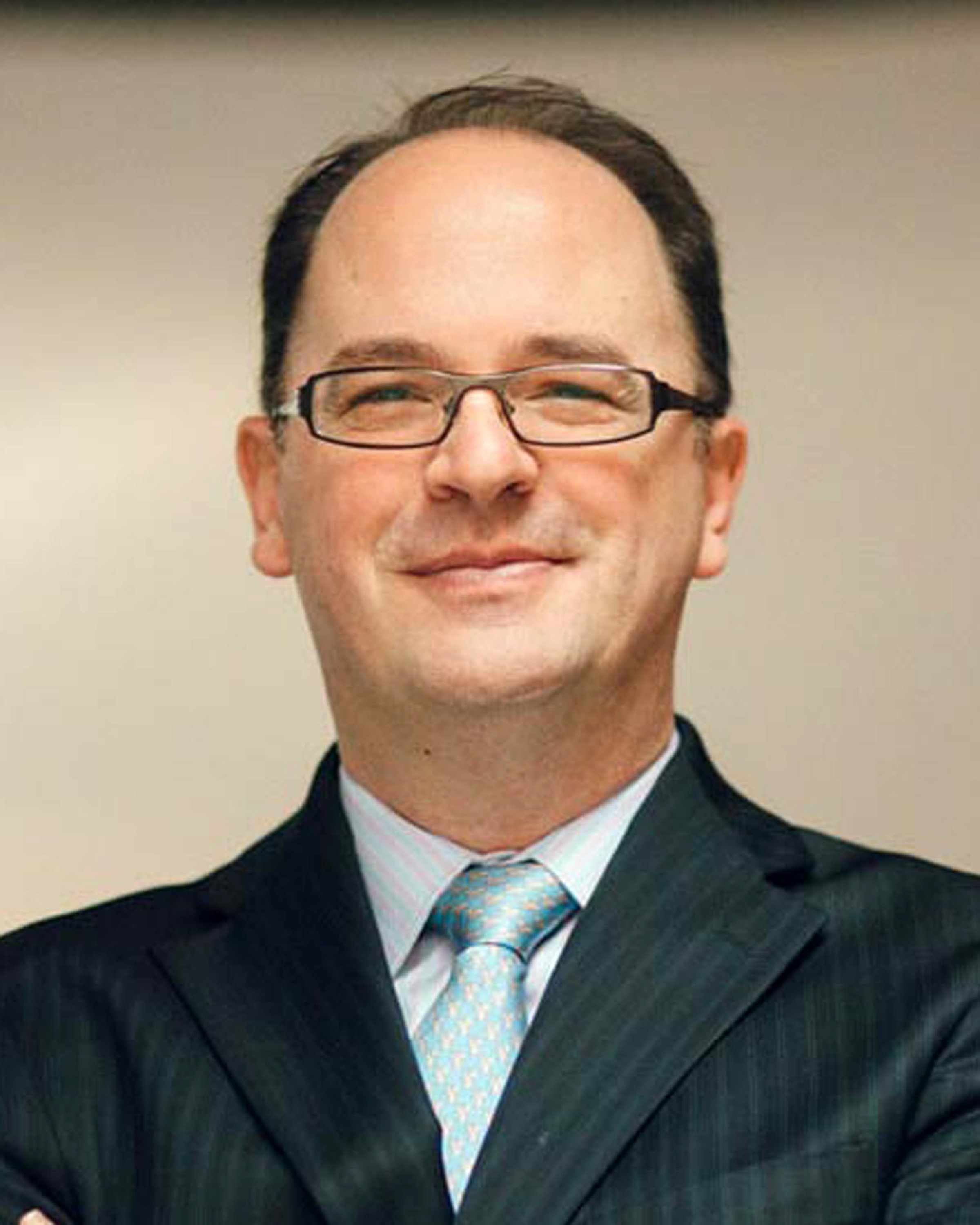
-
Partner, Woodward & Co. Lawyers LLP
In his role of partner at Woodward and Company, David’s core law practice is focused on finding remedies for historic and ongoing Crown interferences with Aboriginal occupation and use of lands and resources.
David is lead counsel for the Quw’utsun (Cowichan) Nation in their landmark recent judgment Cowichan Tribes v. Canada (Attorney General), 2025 BCSC 1490: the court declared Quw’utsun Aboriginal title to settlement lands on the main channel of the Fraser River in Greater Vancouver and Aboriginal right to fish adjacent waters for food; it also issued precedent setting declarations that Canada and Richmond’s fee simple titles are invalid, while British Columbia has a duty to negotiate reconciliation of the Crown granted fee simple interests held by third parties with the Quw’utsun Aboriginal title.
David was also counsel for the Tsilhqot’in Nation in both their landmark rulings: in Tsilhqot’in Nation v. British Columbia, 2007 BCSC 1700, the trial court found Tsilhqot’in Aboriginal title, being the first judicial recognition of existing Aboriginal title, along with a Tsilhqot’in Aboriginal right to hunt and trap for a moderate livelihood; on appeal in Tsilhqot’in Nation v. British Columbia, 2014 SCC 44, the Supreme Court of Canada issued the first ever declaration of Aboriginal title in Canada.
Having earned degrees in law from the University of Victoria and philosophy from the University of British Columbia, David’s 24 years of practice have seen him advocate successfully for Indigenous Nations at all levels of court, including as interveners (e.g., Shot Both Sides v. Canada, 2024 SCC 12; Williams Lake Indian Band v Canada, 2018 SCC 4). Prior to being called to the bar in British Columbia in 2001, David was a judicial law clerk to the BC Supreme Court and BC Court of Appeal. He has variously been a guest lecturer in law school programs at the University of Victoria, University of British Columbia, and Osgoode Hall, Toronto.
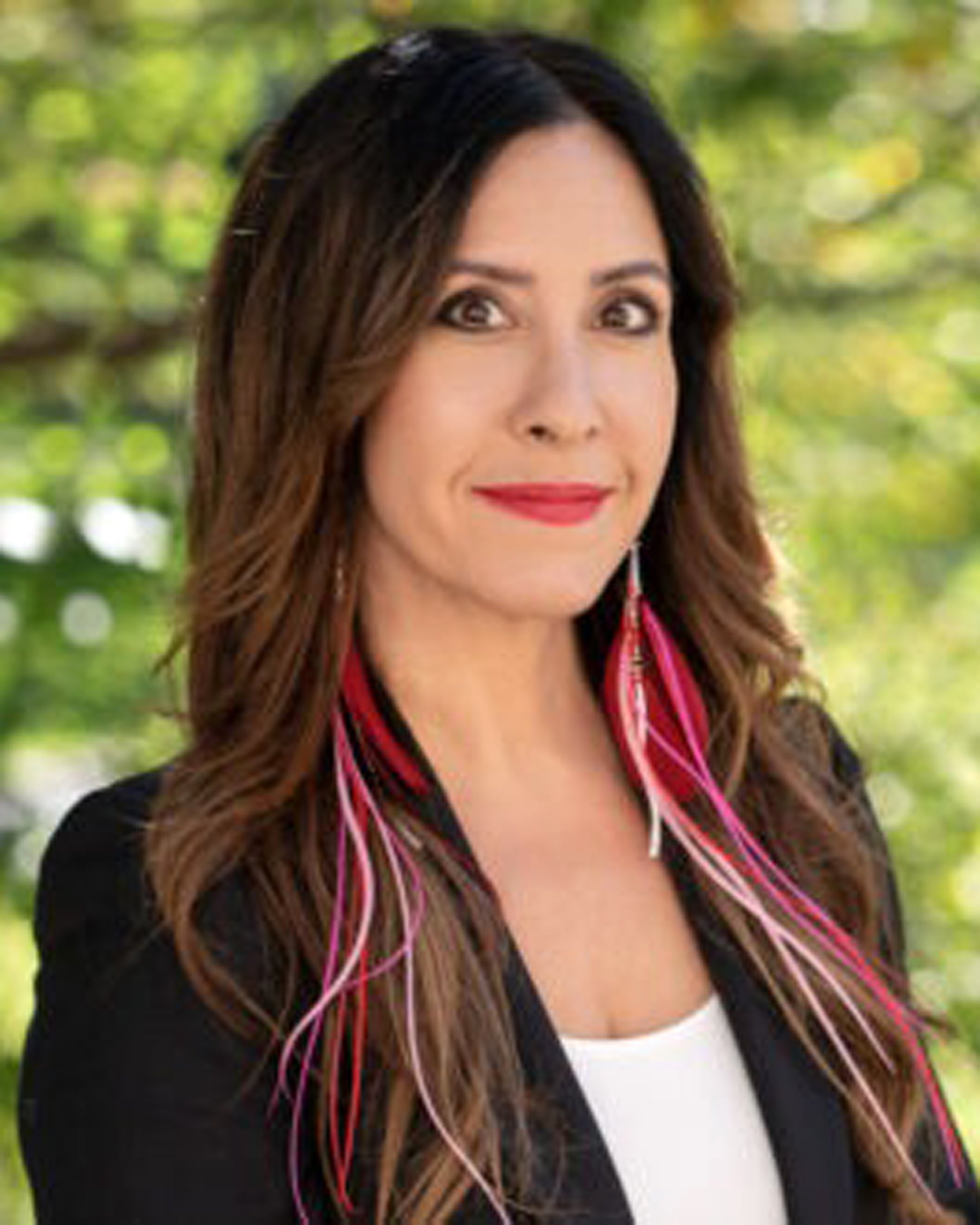
-
Partner, Olthius Kleer Townshend LLP, Toronto
Renée Pelletier is a Partner at OKT. Her practice focuses on Aboriginal and Treaty Rights litigation and negotiation. Renée has extensive experience litigating Aboriginal title claims: having served as lead counsel both in Saugeen Ojibway Nation’s Aboriginal title claim to their water territory and currently in the Wolastoqey Nation’s Aboriginal title claim to their territory in New Brunswick. She has also developed significant experience in claims and legal matters involving the Peace and Friendship Treaties. Additionally, Renée regularly advises and represents her Indigenous clients on consultation matters, regulatory and environmental matters.
Renée is especially passionate about assisting her Indigenous clients in achieving greater self-determination. She also strives to incorporate the legal traditions of her Indigenous clients into the work she does on their behalf.
Renée has served as a member of the Independent Federal Environmental Assessment Expert Review Panel. The Panel engaged Canadians and Indigenous peoples and provided recommendations to the Government of Canada on reforms to federal environmental assessment processes. She contributes to the advancement and recognition of Indigenous rights through her published work and was cited by the Supreme Court of Canada in the high-profile case R. v. Ipeelee, 2012 SCC 13. Renée is a frequent guest lecturer in Aboriginal and Environmental Law and is a sessional lecturer at the University of New Brunswick, teaching an upper year course on land claims and self-government. Renée also serves as co-chair of Osgoode Professional Development’s Certificate Program in the Fundamentals of Indigenous Peoples and Canadian Law.
Renée grew up in Fall River, Nova Scotia and is a member of the New Brunswick and Ontario Bars. She is French Acadian, her first language is French, and she is fluently bilingual in both French and English. Renée is listed as a “most frequently recommended” lawyer in the Lexpert Directory and is ranked in Lexpert, Best Lawyers in Canada and Chambers Canada as one of the top lawyers in the area of “Aboriginal Law.” In 2024, Renée was the recipient of Osgoode Hall Law School’s Alumni Gold Key Award for a Career of Distinction.
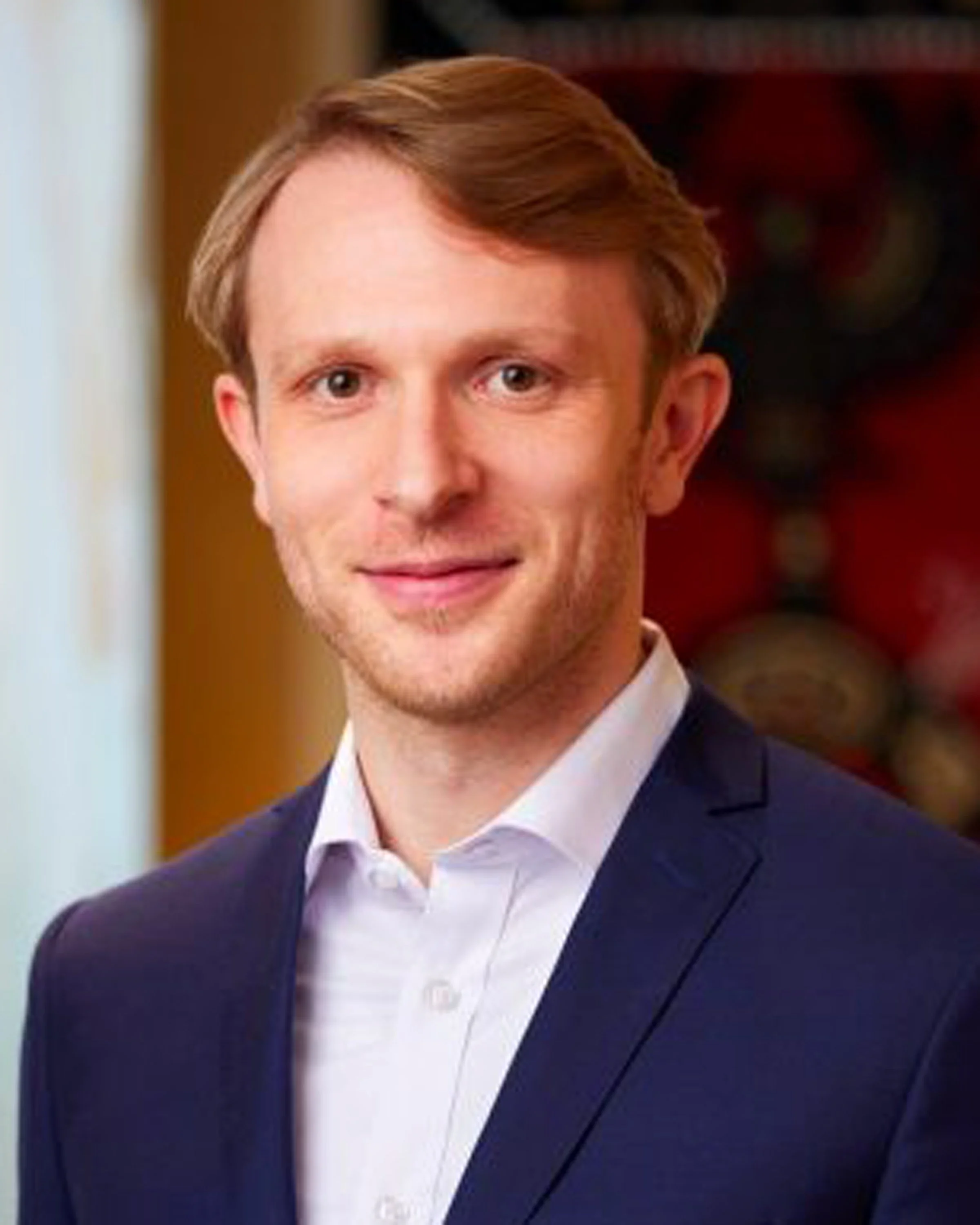
-
Associate, Ng Ariss Fong Lawyers, Vancouver
Ruben maintains a busy and fulfilling administrative, environmental, human rights, and Aboriginal law practice. He went to law school to try to “do something good” in the world. With his current practice, he can do that.
Ruben has worked with Indigenous clients to prepare evidence for regulatory proceedings, human rights tribunals, and court. He has extensive experience drafting submissions to tribunals and courts. He regularly advises both First Nations clients and professional regulators on issues ranging from employment matters and contracts to bylaw enforcement. He has ongoing work on human rights files for Indigenous people who have faced systemic racism in accessing publicly-available goods and services. He has appeared at all levels of BC court. He acted for Heiltsuk Nation at the Ontario Court of Appeal, intervening on the issue of aboriginal title to submerged lands. More recently he successfully defended a judicial review of band council resolutions in Federal Court, including on the basis that the Court did not have jurisdiction over pure expressions of Indigenous laws that have not been incorporated in Canadian law. He is part of the legal team that challenged the constitutionality of the mineral tenure regime under BC’s Mineral Tenure Act on behalf of Gitxaala Nation, which is also the first case to have considered the legal effect of the Declaration on the Rights of Indigenous Peoples Act.
Outside of work, Ruben is a member of the CBA – Environmental Law Section, and sits on the board of the non-profit Action Committee of People With Disabilities. When he is not working or volunteering, Ruben likes to cycle around Vancouver or, if feeling ambitious, beyond Vancouver, and he enjoys eating popcorn while watching esoteric movies, preferably with his cat near or on him.

-
Partner, JFK Law LLP, Vancouver
Claire practises Aboriginal, environmental and constitutional law at JFK’s Vancouver office with a focus on litigation, modern treaty negotiation and Indian registration (Indian status). She is passionate about pushing the law for greater recognition of Indigenous rights and self-determination, offering her clients advice that is both practical and creative. She works to make court and tribunal processes more transparent and accessible for Indigenous leadership and community members.
Claire advises Indigenous governments and individuals on a variety of legal issues. She has particular expertise in fisheries, water rights and governance, legal interests in reserve land and land management, Indigenous membership or citizenship, and Indian registration (Indian status). She also advises First Nations on these issues in modern treaty negotiations.
Claire pursues justice for her clients at courts and tribunals in specific claims, judicial review, trial and appeal proceedings on matters of Aboriginal and treaty rights, consultation and accommodation, jurisdiction, Charter rights, breach of fiduciary duty, and disputes under the Indian Act. She has appeared at the Specific Claims Tribunal, British Columbia Supreme Court, British Columbia Court of Appeal, Alberta Court of King’s Bench, Alberta Court of Appeal, Saskatchewan Court of King’s Bench, Saskatchewan Court of Appeal, Federal Court and Supreme Court of Canada. Claire is experienced intervener counsel, having appeared on behalf of interveners at the Supreme Court of Canada four times, and twice at other appellate courts.
Prior to joining JFK, Claire was a judicial law clerk at the Ontario Court of Appeal where she worked on a wide range of criminal and civil law issues for Justices Watt, MacFarland, Juriansz and Strathy. Claire had the honour of assisting Justice Harry LaForme of the Mississaugas of the Credit First Nation, the first Indigenous person appointed to an appellate court in Canada, with a paper on the development of Aboriginal rights under section 35 of the Constitution.
Outside of her work Claire enjoys the beautiful outdoors of BC by running, hiking, camping, skiing and playing soccer with a great team of other women over 30 just waiting for their knees to give out. Claire is a former university athlete and acted as Chair of the University of Victoria Vikes Women’s Rowing Alumni Chapter to support the next generations of student athletes. She is also a past Chair of the Aboriginal Law Section of the Canadian Bar Association (2021-2022) and former Chair of the Aboriginal Law – Vancouver Island Subsection (2016-2018).
Practice Focus:
Aboriginal and treaty rights litigation
Specific claims
Intervener representation at the Supreme Court of Canada and other appellate courts
Indian registration, band membership Indigenous citizenship
Property disputes on reserve
Aboriginal and treaty fishing rights
Water rights and governance
Modern treaty negotiation and litigation
Registration Form
Program:
Developments in Aboriginal and Indigenous Law 2026
Date:
October 28 & 29, 2026
Location:
UBC Robson Square (800 Robson Street - Classroom level), Vancouver, BC
Registration:
The registration fee is $1,665.00 plus GST of $83.25 totaling $1,748.25 for webinar and in-person attendance. Registration fee covers your attendance at the program and electronic materials. In-person attendance includes a catered lunch and refreshments throughout the day.
Early Bird Discount:
Register by September 1, 2026 and receive a $200 discount on the registration fee ($1,465.00 plus GST). Discounts cannot be combined.
Group Discount:
Register four persons from the same organization at the same time and you are entitled to a complimentary fifth registration. Discounts cannot be combined.
If you would like to register a group, please fill out this form and email it to registrations@pbli.com:
Payment:
You may pay by VISA, Mastercard or cheque. Cheques should be made payable to the Pacific Business & Law Institute and mailed to Unit 2-2246 Spruce Street, Vancouver, BC V6H 2P3. Please do not send cheques via courier with signature required.
When and Where:
Check-in begins at 8:30 a.m. The program starts at 9:00 a.m. (PDT). UBC Robson Square is located at 800 Robson Street in Vancouver, BC, and our event will take place on the classroom level. Please visit https://robsonsquare.ubc.ca/find-us/ for directions.
Materials:
The faculty will prepare papers and/or other materials explaining many of the points raised during this program. Materials will be distributed electronically. Please contact us at registrations@pbli.com if you are unable to attend the program and wish to purchase a set of materials.
Cancellations/Transfers:
Refunds will be given for cancellations (less a $60.00 administration fee) if notice is received in writing five full business days prior to the program (October 21, 2026). After that time we are unable to refund registration fees. Substitutions will be permitted. We reserve the right to cancel, change or revise the date, faculty, content, availability of webinar or venue and transfer in-person registration to webinar registration for this event.
To register by phone:
Telephone us: 604-730-2500
Your Privacy:
We will keep all information that you provide to us in strict confidence, other than to prepare a delegate list containing your name, title, firm and city for our faculty and the program delegates. We do not share our mailing lists with any non-affiliated organization.
Course Accreditation:
Course Accreditation: Attendance at this course can be listed for up to 11.5 hours of continuing professional development credits with the Law Societies of BC and Ontario. For practitioners in other jurisdictions, please check your governing body’s CPD requirements.
If you would like to register a group, please fill out this form (DOWNLOAD FORM) and email it to registrations@pbli.com; for individual registration, please continue with form below.