
Indigenous Policing 2026
June 3 & 4, 2026 at 9:00AM MDT
Grey Eagle Resort and Casino, Calgary, Alberta
Indigenous Policing 2026
June 3 & 4, 2026
Overview
Indigenous communities face racism, higher crime and incarceration rates than the rest of Canada.
There are significantly higher police incidents involving Indigenous people.
We know these facts. What can we do and how can we fix it?
What has worked? What can we change?
It is crucial for all those involved with the system to explore and identify key elements in developing and implementing quality policing strategies and harm reduction measures for Indigenous communities.
There are new approaches to enforcing by-laws in Indigenous communities and recent successful court decisions.
Police departments across Canada have increased public scrutiny and calls for greater accountability.
In the middle of great conflict, there are enormous opportunities for growth and progress.
Join us as we bring together leading experts with a wealth of knowledge and experience.
Attend this two-day program to hear critical insights and updates that are affecting Indigenous police services, and police serving Indigenous communities.
This is essential learning for anyone interested in reconciliation and creating a better and safer future.
Key Areas Addressed:
Community driven goal of public safety
Indigenous policing – what to fix and how to fix it
Governance and Indigenous policing – the over-policing and under-policing dichotomy
Diversity in policing
Enforcing band by-laws under the Indian Act
Update on Indigenous communities enforcing band by-laws
The Tsuut’ina experience – legislation, enforcement, adjudication and community involvement
Innovative approaches to Indigenous and community policing
A fresh and different approach to community trust – Marshal services on Indigenous lands
Time to shed the colonial model? Recruiting and retention in Indigenous communities
What are the policing standards that communities need for tomorrow?
Who Should Attend:
Indigenous leaders, council members, elders, and members of Indigenous community organizations
Indigenous police officers and Indigenous police boards members
Members of municipal, provincial, and federal police services that serve and protect Indigenous communities
Federal, provincial, territorial and municipal government officials
Lawyers practising in the area of Indigenous justice, and members of the judiciary making decisions impacting Indigenous peoples and communities
Parole and corrections officers, social workers, mental health workers, criminologists, court workers and others involved with the justice system
Agenda
Day One - June 3, 2026
9:00 - Welcome by PBLI
9:05 - Welcome to Tsuut’ina Territory – Land Acknowledgement and Prayer
9:20 - Chair’s Welcome and Introduction – Community Driven Goal of Public Safety
Rob Davis
Chief of Police, Moose Jaw Police Service, Moose Jaw, Saskatchewan (Former Chief of Police of Brantford Police Service, Lethbridge Police Service and Dryden Police Service; plus 17 years of Self-Administered Indigenous Policing)
9:30 - Keynote Address – Innovative Approaches to Indigenous and Community Policing
Dale McFee
Deputy Minister of Executive Council and Head of the Alberta Public Service, Former Chief of Police, Edmonton, Alberta
Update on Alberta Bill 49
Public Safety Statutes Amendment Act – Inclusion of Indigenous voices
Law enforcement
Use of technology in public safety
Addressing homelessness
Crisis management
10:15 - Questions and Discussion
10:30 - Refreshment Adjournment
10:45 - Governance and Indigenous Policing – The Over-Policing and Under-Policing Dichotomy
Professor Kent Roach
University of Toronto, Faculty of Law
The role of Governance
The role of Police Boards
What to do when there is political interference
Indigenous representation on police boards and why it matters
The FNPP and stalled Indigenous policing legislation
11:45 - Questions and Discussion
12:00 - Networking Lunch
1:00 - Enforcing Band By-Laws Under the Indian Act
Kyle Friesen
General Counsel, Legal Services, Surrey Police Service, BC and Former Legal Advisor to the RCMP Deputy Commissioner
The duty of police of respond and enforce laws (Federal, Provincial and First Nation) on reserve
Removal of persons from residences: Evictions and community safety
Public safety and protests: the right of everyone to peaceful, lawful and safe protests, blockades
Privacy legislation of First Nations
1:45 - Questions and Discussion
1:55 - Update on Indigenous Communities Enforcing Band By-Laws
Jason Herbert
Falls Law
First Nation law-making authority
Enforceable First Nation laws and by-laws
When to use BCRs
The role of police in the enforcement of First Nation laws and BCRs
Update on successful prosecutions
2:40 - Questions and Discussion
2:50 - Refreshment Adjournment
3:05 - The Tsuut’ina Experience – Legislation, Enforcement, Adjudication and Community Involvement
Chief Keith Blake
Chief of Police, Tsuut’ina Nation Police Service
Teddy Manywounds
G4 Justice Director, Tsuut’ina Nation
Collaboration and providing what the community wants
Continuing work in the community
Agreement with provincial prosecutors to enforce Indigenous nations’ legislation in provincial courts
Keeping the public safe - systems in alignment
3:55 - Questions and Discussion
4:05 - Faculty Roundtable and Open Discussion - Learnings and Best Practices on the Trail to Setting Up an Independent Indigenous Police Service
Rob Davis
Chief of Police, Moose Jaw Police Service, Moose Jaw, Saskatchewan (Former Chief of Police of Brantford Police Service, Lethbridge Police Service and Dryden Police Service; plus 17 years of Self-Administered Indigenous Policing)
Kyle Friesen
General Counsel, Legal Services, Surrey Police Service, BC and Former Legal Advisor to the RCMP Deputy Commissioner
4:55 - Chair’s Closing Remarks for Day One
5:00 - Forum Concludes for Day One
Day Two - June 4, 2026
9:00 - Chair’s Welcome to Day Two
Rob Davis
Chief of Police, Moose Jaw Police Service, Saskatchewan (Former Chief of Police of Brantford Police Service, Lethbridge Police Service and Dryden Police Service; plus 17 years of Self-Administered Indigenous Policing)
9:10 - Indigenous Policing – What to Fix and How to Fix It
Rob Davis
Chief of Police, Moose Jaw Police Service, Saskatchewan (Former Chief of Police of Brantford Police Service, Lethbridge Police Service and Dryden Police Service; plus 17 years of Self-Administered Indigenous Policing)
9:50 - Questions and Discussion
10:00 - A Fresh and Different Approach to Community Trust – Marshal Services on Indigenous Lands
Thomas Sierzycki, B.Ed, MNGD, MPA
Executive Director – Civilian Deputy Chief, Operational Support Services, Saskatchewan Marshals Service
Teddy Munro
Superintendent, Saskatchewan Marshals Service
The need for law enforcement to be invited onto First Nation lands
The necessity of Indigenous voices
10:40 - Questions and Discussion
10:50 - Refreshment Adjournment
11:05 - Time to Shed the Colonial Model? Recruiting and Retention in Indigenous Communities
Jason Colon
Chief of Police, Manitoba First Nations Police Service
Are standards and tests outdated and not meeting current needs?
Allowing flexibility
What kind of people do we want to attract to policing? What are the goals?
Indigenous people policing Indigenous people - On reserve, rural and urban situations
Public safety versus law enforcement
The challenges unique to Indigenous communities
Manitoba First Nations Police Service Recruit Training - A unique cultural approach
11:50 - Questions and Discussion
12:00 - Faculty Roundtable – What are the Policing Standards That Communities Need for Tomorrow?
Are we stuck in the Colonial Model?
Do we need to shift the police culture?
What is working?
What needs to change?
Are we stuck with historical requirements? Vision, physical etc.
The need for experts in cyber-crime
12:40 - Questions and Discussion
12:50 - Chair’s Closing Remarks
1:00 - Forum Concludes
Meet the Chair
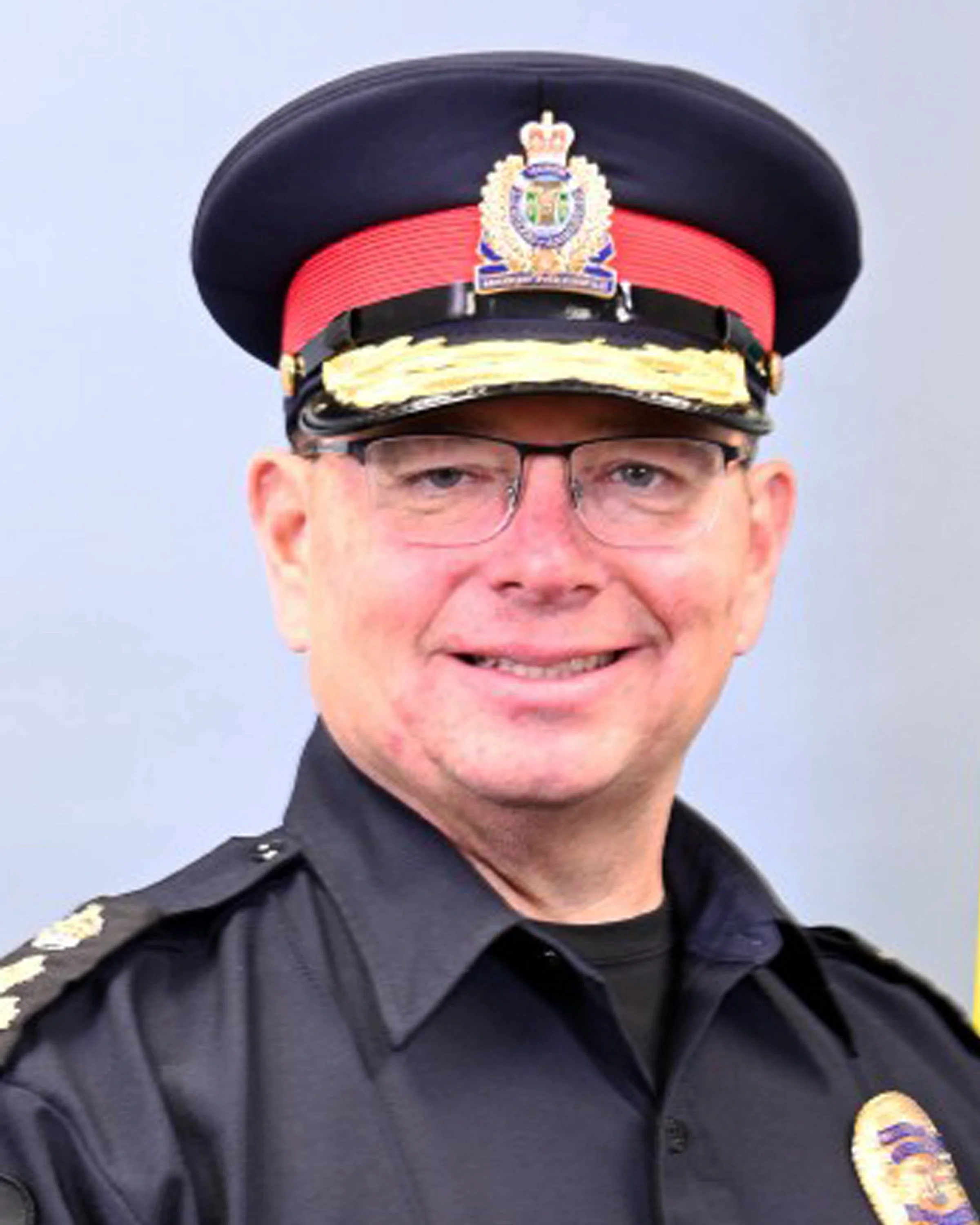
-
Chief of Police, Moose Jaw Police Service, Saskatchewan (Former Chief of Police of Brantford Police Service, Lethbridge Police Service and Dryden Police Service; plus 17 years of Self-Administered Indigenous Policing)
Chief Davis is a Mohawk from the Six Nations of the Grand River Territory and began his policing career in 1990. Chief Davis spearheaded the drive for the first Aboriginal police service in Canada to gain membership into the Criminal Intelligence Service of Ontario (CISO). Chief Davis has worked in active policing, as well as on educational programs to combat the impacts of gangs and organized crime on Aboriginal populations. Chief Davis is the recipient of the prestigious Gimborn Scholarship awarded to him for his efforts in combating organized crime and gangs. He has previously served as Chief of Police for the Dryden Police Service, the Lethbridge Police Service, and the Brantford Police Service. In 2025, he was sworn in as the Chief of Police of the Moose Jaw Police Service.
Keynote Speaker
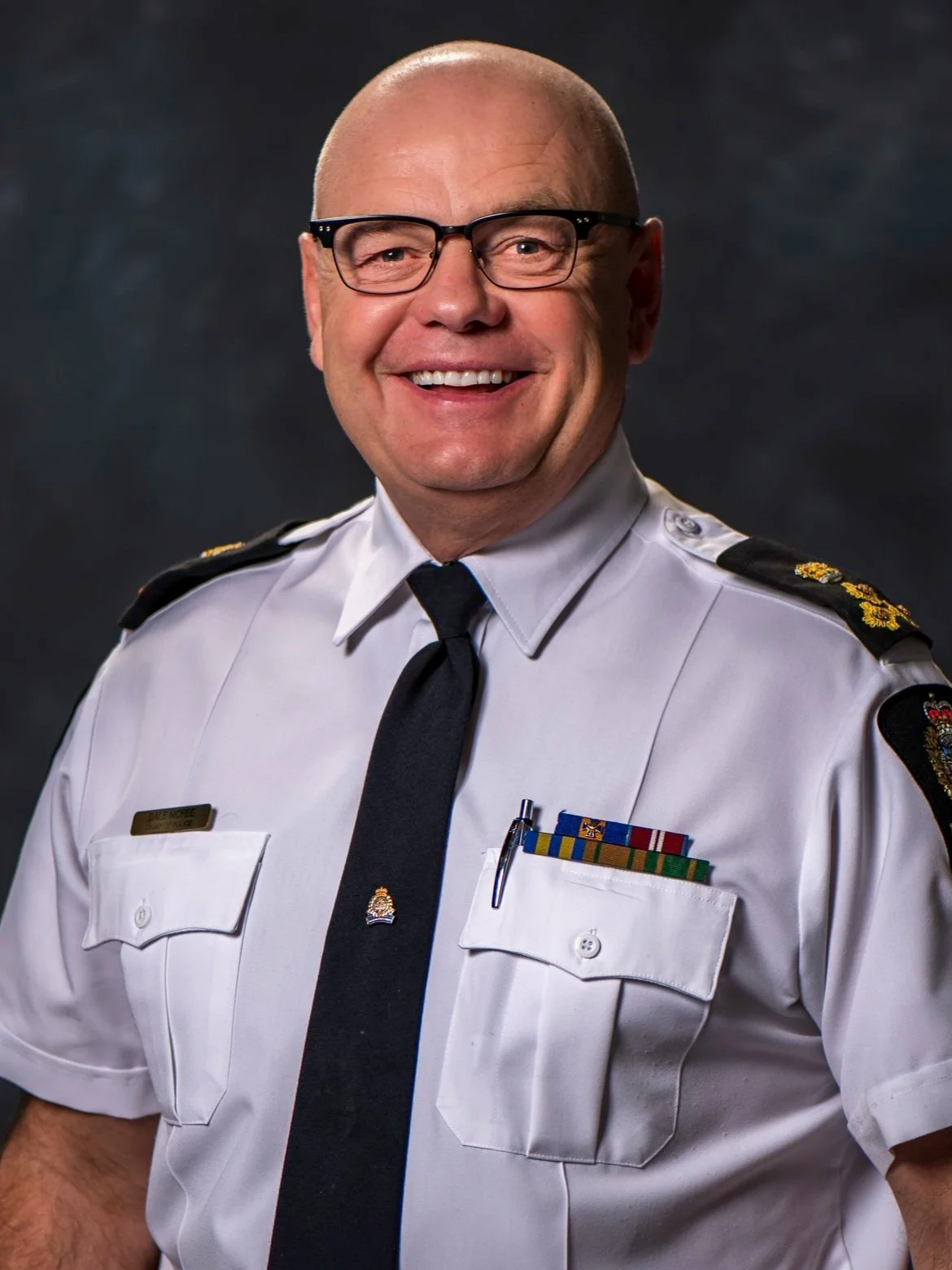
-
Deputy Minister of Executive Council and Head of the Alberta Public Service, Former Chief of Police, Edmonton, Alberta
On February 1, 2019, Dale McFee was sworn in as Police Chief for the Edmonton Police Service.Prior to this role, Dale served 6.5 years as the Deputy Minister of Corrections and Policing in the Ministry of Justice for the Government of Saskatchewan and was the Senior Deputy Minister involved with leading transformational change. Dale served as a police officer for 26 years in Prince Albert, Saskatchewan, including 9 years as the Chief of Police for the Prince Albert Police Service.
Dale has lectured extensively on leadership and change management nationally and internationally. He is a former member of Entrepreneurs International and served in the capacity of moderator for groups of business leaders within Saskatchewan. Dale is a past President of the Canadian Association Chief’s of Police, a former Chair of the Federal Provincial Deputy Ministers and former Co-Chair of CCJA within Stats Canada.
Meet the Faculty
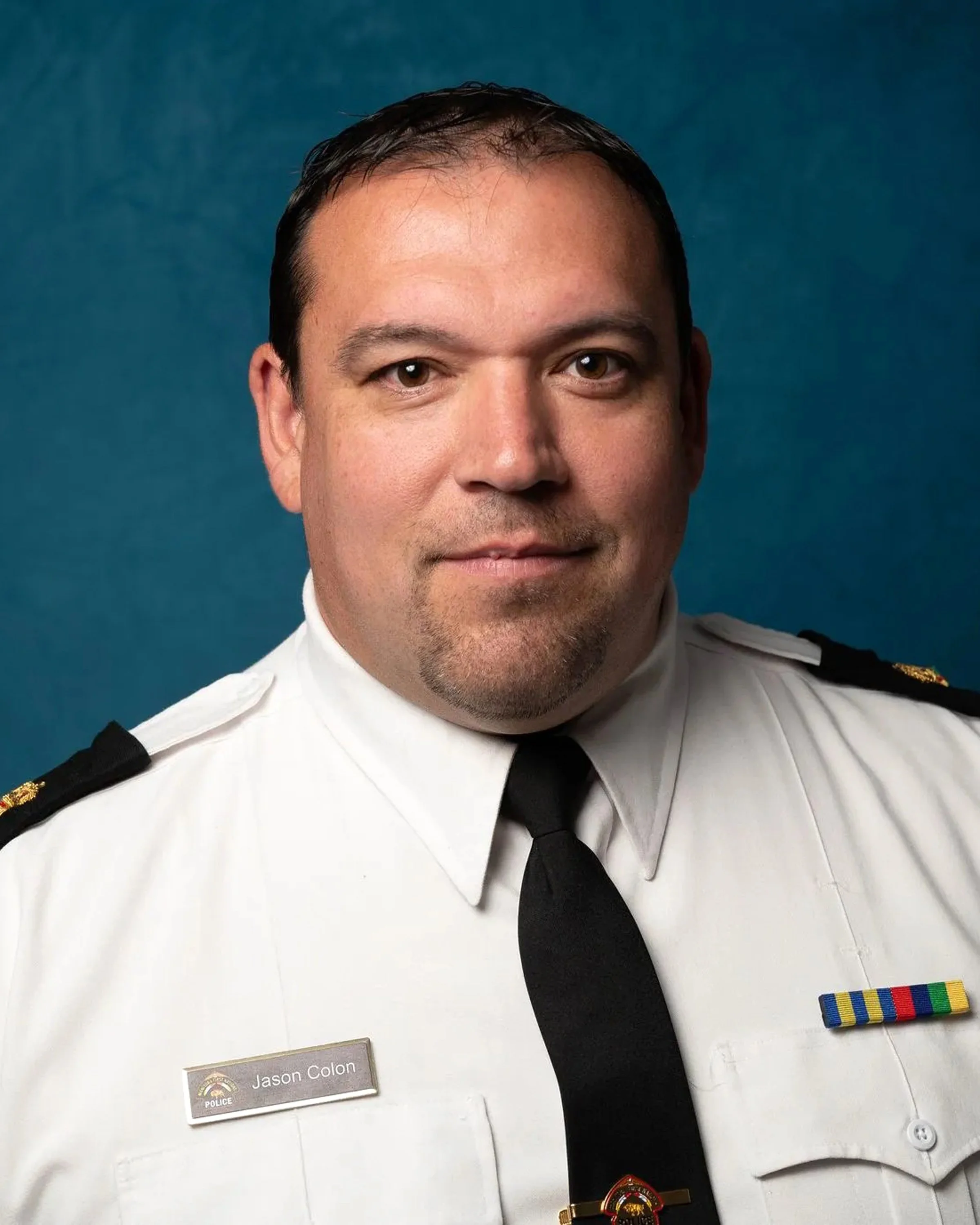
-
Chief of Police, Manitoba First Nations Police Service
Jason Colon brings over two decades of law enforcement experience and a proven record of executive leadership dedicated to advancing the safety, wellbeing, and self-determination of First Nations communities. His policing career spans service with the Manitoba First Nations Police Service, Blood Tribe Police, Dakota Ojibway Police Service, Winnipeg Police Service, and Kee Tas Kee Now Police Service where he has served in roles ranging from Constable to Inspector and Chief of Police.
Academically, Jason holds a Bachelor of Policing and a Master of Executive Police Leadership from Charles Sturt University. He has also completed executive and leadership training at the Canadian Police College, the Edmonton Police Service, and Dalhousie University.
Jason is married and has five children and three beautiful grandchildren.
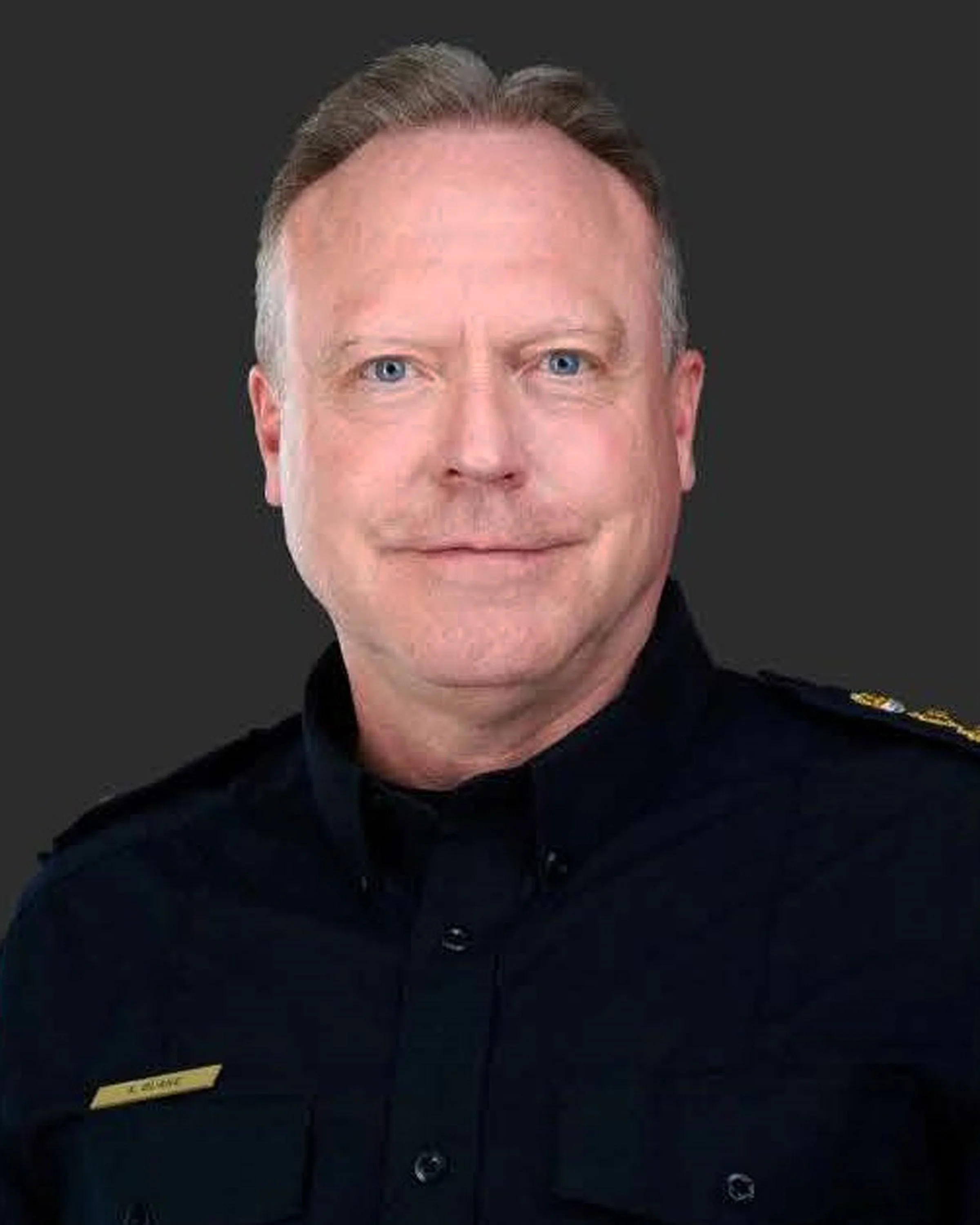
-
Chief of Police, Tsuut’ina Nation Police Service
Chief of Police Keith Blake is proud to lead alongside the sworn and non-sworn members of Tosguna, and to serve the beautiful community of Tsuut’ina Nation. Chief Blake believes in the importance of providing community centered policing, adapting to meet the cultural and socioeconomic needs of the Tsuut’ina Peoples and to address root causes of crime.
After serving 24 years in the Royal Canadian Mounted Police, Keith Blake was sworn in as the 5th Chief of Police of the Tsuut’ina Nation Police Service on May 16th, 2013. Keith has been privileged to have completed all of his service in the Province of Alberta and experienced firsthand the culture, pride and honour in being a part of the policing in seven different First Nations communities across Alberta.
Currently, Chief Blake serves as Vice-President of the First Nation Chiefs of Police Association and is an active member of the Assembly of First Nations Policing Taskforce, working to co-develop long-overdue essential service legislation. He also contributes to the National Police Service National Advisory Committee and participates in the RCMP Commissioner’s Chiefs of Police Round Table. Additionally, Chief Blake acts as the Executive Sponsor for the Alberta Association of Chiefs of Police Policing with Indigenous Peoples Committee.
Keith is deeply committed to advocating for First Nations policing, raising awareness of its unique challenges, and championing solutions that celebrate the successes and resilience of Indigenous policing across Canada. Above all, he remains humbled and inspired by the opportunity to serve the visionary people of the Tsuut’ina Nation.
-
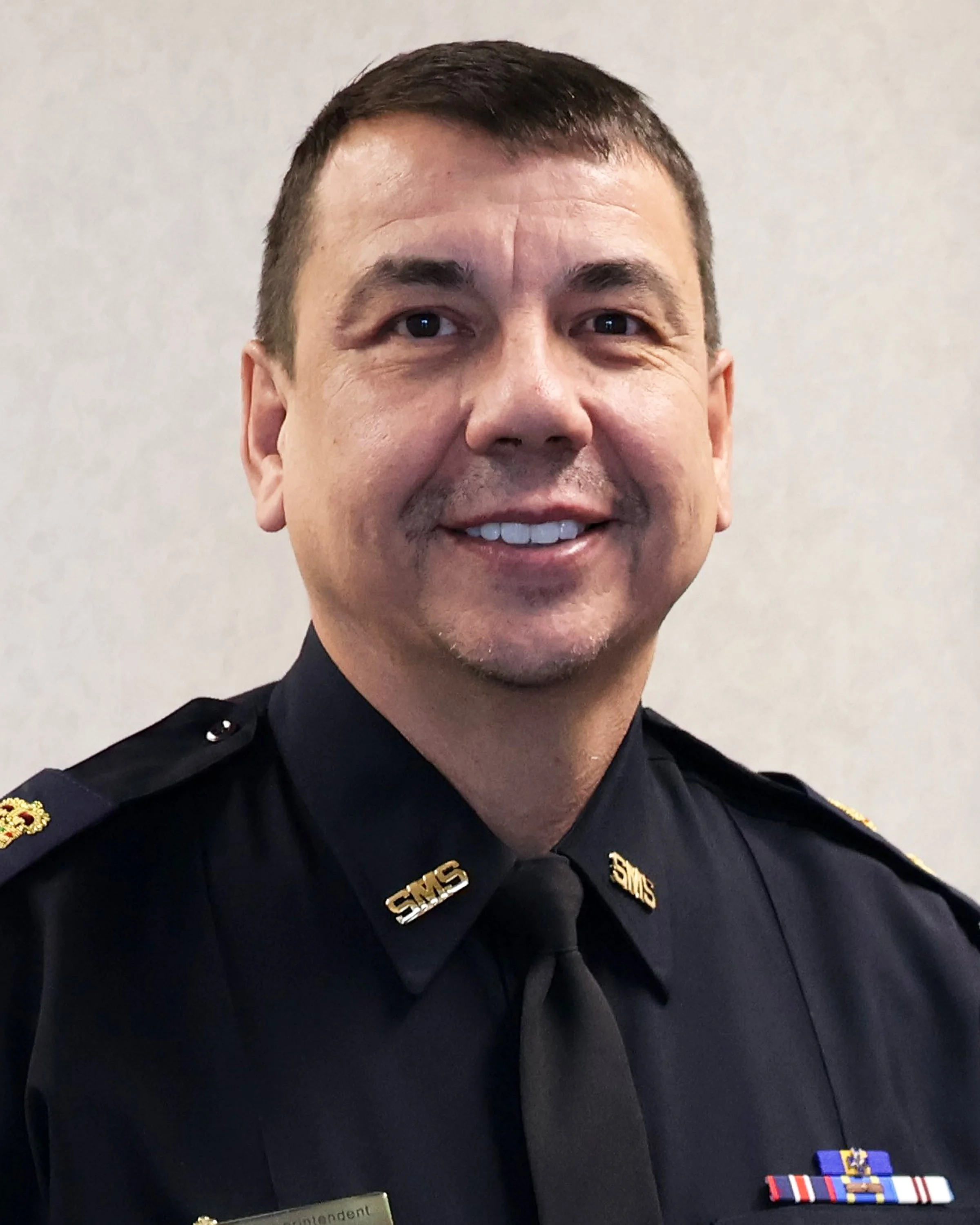
Superintendent, Saskatchewan Marshals Service
Superintendent Teddy Munro was raised in Barrows, Manitoba and is a member of the Sapotaweyek Cree Nation. His wife Shelby is a Grade 1 teacher. Teddy and Shelby have two adult children, Brock, who is a Member of the RCMP in central Manitoba, and Kelsey, who is a nurse in northern Manitoba. They also have a grandson, Aleksander.
After 30 years of service with the RCMP, Teddy retired and started a new chapter with the Saskatchewan Marshal Service in October 2025. While with the RCMP, Teddy was posted to The Pas Detachment in Manitoba. He spent his first four years of service in General Duty before transferring to Municipal GIS. In 2005, Teddy was seconded to Opaswayak Cree Nation and opened the first Community Tripartite (CTA) Detachment in Manitoba. Upon his return to Municipal GIS as the NCO i/c, Teddy ran several major investigations, including numerous Undercover Operations and large scale street gang projects. In 2007, Teddy was promoted to Sergeant at Professional Responsibilities Unit (PRU) in Prince Albert, Saskatchewan, and in 2008 he became the NCO i/c of the Prince Albert Combined Forces Special Enforcement Unit (CFSEU) where he had oversight over a combined Unit of Prince Albert Police Service (PAPS) and RCMP employees. Over the next 3.5 years, Teddy led a highly skilled team who successfully investigated organized crime groups, large scale drug and weapons trafficking investigations, and were responsible for dismantling street gangs throughout Saskatchewan. In 2012, Teddy transferred to Indigenous Policing Services (IPS) and was later seconded to the North District Management Team (NDMT) as an Advisory NCO in early 2013, where he was later promoted to Staff Sergeant. In 2016, Teddy was Commissioned to Inspector and became the Operations Officer for F Division’s South District where he oversaw the operations of 32 Detachments and 350 employees. In 2018, Teddy was promoted to Superintendent and became the District Commander for F Division’s North District where he was responsible for the management of the largest District in Saskatchewan with 32 Detachments and 15 Community Offices.
In his 30 years in the RCMP, Teddy has achieved special designations and been part of specialized Units in addition to his regular duties. As an Expert Witness in drug trafficking in both the Provincial and Queen’s Bench Courts in Manitoba and Saskatchewan, Teddy provided expert testimony on cocaine and marihuana investigations. He has also lectured on project-based policing at both the Canadian and Saskatchewan Police Colleges and he was recognized as a Subject Matter Expert in this area. Teddy has also been involved as both an Incident Commander and Crisis Negotiator in large scale Indigenous protests across Canada. His experience and knowledge has resulted in him being recognized Nationally as a Subject Matter Expert, where he lectured to police agencies at the Canadian Police College with respect to the management of crises and how to build relationships with Indigenous people during these types of incidents. He also developed the first ever Playbook for managing Mass Casualties and Critical Incidents which is used across Canada during these tragic events.
Teddy has spent a lot of his career on tactical teams. He was on the Containment Team in both “D” and “F” Divisions. He was an RCMP Liaison for the Manitoba Metis Trauma Team, a Crisis Negotiator, and a Critical Incident Commander for over 10 years.
In addition to his formal education, Teddy has completed an Advanced Program in Management, Leadership and Strategy from the University of Manitoba, Ethics for Police Leaders and Police Leadership & Management from Dalhousie University, Law Enforcement and Protective Services from the Thompson Education, Virtual Executive Leadership Program/Institute on Governance and Fundamentals of Indigenous Peoples and Canadian Law. Equipped with a depth of policing experience, adept at developing high performing teams, modernizing outdated process, developing collaborative internal and external relationships, strong business acumen, proven diplomatic ability, and proven operational excellence as a three-time recipient of the RCMP Distinction Award, Member Order of Merit, King Charles Coronation Medal, Queen’s Jubilee Medal and RCMP Long Service Medal.
In August 2022, Teddy was promoted to Chief Superintendent as “F” Division’s Officer in Charge of Criminal Operations for the Province of Saskatchewan. In this capacity he oversaw, 115 Detachments (North, Central & South Districts), Major Crime Branch, Support Services, Criminal Operations, Combined Traffics Services and Saskatchewan Enforcement Response Team. With a total of just over 1200 employees who reported under his program. He was responsible for modernization of all programs, building innovative solutions to enhance service delivery and management of human resources effectively.
Since joining the Saskatchewan Marshals his role has been dedicated to enhancing relationship with First Nations and Metis communities across Saskatchewan. He continues to practice his philosophy of leading from the front and placing his employees first.
-
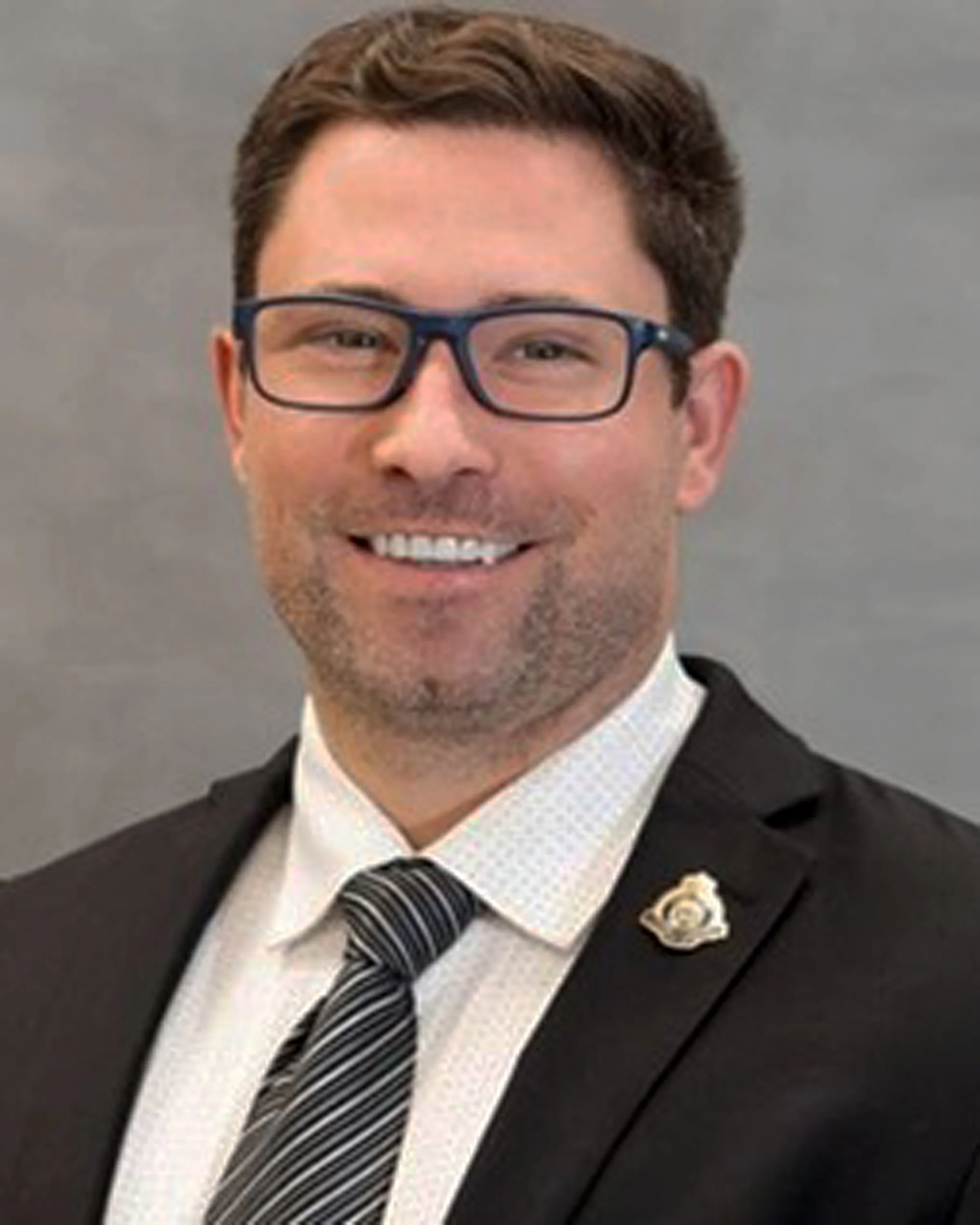
Executive Director – Civilian Deputy Chief, Operational Support Services, Saskatchewan Marshals Service
Thomas Sierzycki joined the Saskatchewan Marshals Service in May 2024. Sierzycki is responsible for all facets regarding operational support, administration and governance, communications, stakeholder relations and people and organizational culture.
Sierzycki is proud to build the Saskatchewan Marshals Services from the ground up. He is strongly committed to ensuring that the SMS will effectively deliver on its mandate.
Prior to this role, Sierzycki spent close to a decade in executive government as an advisor and as a regional director. He has previous experience in the private sector with Orano Canada and in emergency response working as an emergency planning officer, in emergency medical services and as a certified firefighter.
Sierzycki has extensive governance experience, previously serving on the boards of Access Communication, SaskPower and SaskWater and served as Mayor of La Ronge from 2009 to 2016.
Sierzycki has a Bachelor of Education (University of Regina), Master of Northern Governance and Development (University of Saskatchewan), Master of Public Administration (University of Victoria) and a Certificate in Emergency Management, Threat and Response Planning (Toronto Metropolitan University). He is a Queen Elizabeth II Platinum Jubilee Medal recipient, CBC Top 40 Under 40 award winner, and named one of 11 Top Young Canadians to Watch by Maclean's magazine in 2011.
Sierzycki is a proponent of physical activity and volunteers in the community. He and his wife Jodie, a member of the Saddle Lake Cree Nation and ICU Nurse, are proud parents of two active boys.
-
General Counsel, Legal Services, Surrey Police Service, BC and Former Legal Advisor to the RCMP Deputy Commissioner
Kyle is General Counsel, Legal Services for the new Surrey Police Service, following 22+ years as Legal Advisor to the RCMP in British Columbia. Since 1998, he has provided "live" legal advice on all operational and administrative policing matters, including Indigenous Policing across Canada. He was Legal Counsel to the Vancouver 2010 Integrated Security Unit for the 2010 Winter Olympics. Kyle was posted from 1994-1998 with the Office of the Information and Privacy Commissioner of BC, dealing with police departments and law enforcement issues, including public interest notifications about dangerous persons. From 1986 to 1994, he held various posts in the national security sector in Ottawa. In 2007 and again in 2014, he received Commanding Officer's Commendations for service to the RCMP. In 2010, he received the Deputy Minister of Justice National Team Award for services during the 2010 Winter Olympics. In 2012, he was awarded the Queen's Diamond Jubilee Medal for public service. In 2016, he received the Sovereign’s Medal for Volunteers from the Governor General of Canada for his service to the community.
-
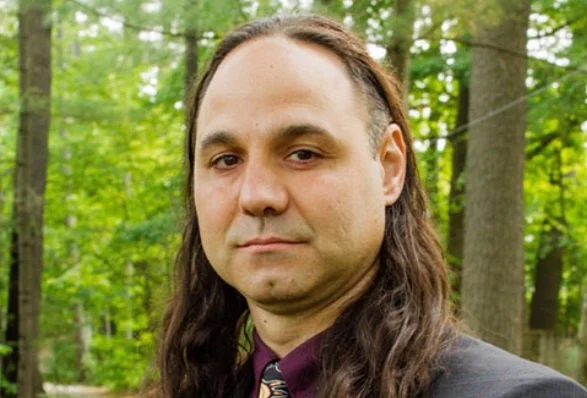
Partner, Falls Law Group, Bracebridge, ON
Jay is a Partner at Falls Law Group and Lead Counsel on this work. He holds a Juris Doctor from the University of Toronto Faculty of Law and a History Specialist Degree from York University.
Jay’s practice focuses on serving First Nation interests and Indigenous clientele. He is experienced in civil and criminal litigation at the trial and appeal levels and routinely defends individuals charged with serious criminal offences. As a successful litigator, Jay’s in-depth working knowledge of the justice system informs his practical strategy and policy recommendations for First Nations.
Jay leads Falls Law Group’s work in First Nation policing, which includes acting as Private Prosecutor for several First Nations, recently bringing the first private prosecution of a First Nation’s Land Code Law in Ontario and the Eastern Provinces.
A member of Rama First Nation, Jay is an elected trustee of the Coldwater Narrows Land Trust and has significant experience acting on behalf of Indigenous individuals and providing services to First Nations, including policy development and strategy, and support drafting and implementing enforceable First Nation laws.
Jay focuses on providing practical, strategic, and actionable solutions, whether for a First Nation seeking to develop enforceable laws or an individual needing legal advice.
-
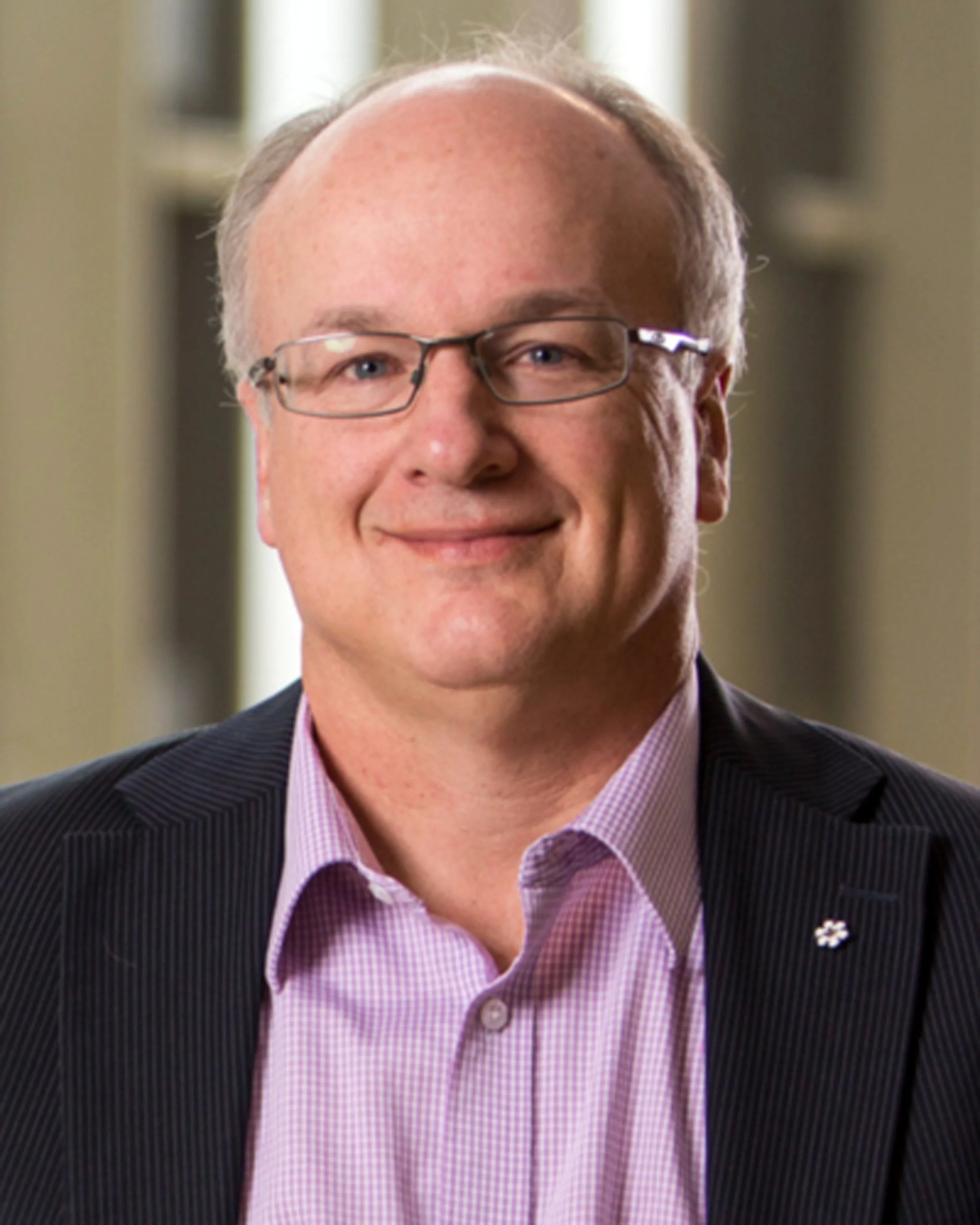
Professor, University of Toronto, Faculty of Law
Kent Roach is Professor of Law at the University of Toronto. He is a former law clerk to Justice Bertha Wilson of the Supreme Court of Canada. Professor Roach has been editor-in-chief of the Criminal Law Quarterly since 1998. In 2002, he was elected a Fellow of the Royal Society of Canada. He was awarded the Molson Prize for the social sciences and humanities in 2017.
He is the author of Constitutional Remedies in Canada (winner of the Owen best law book Prize); Due Process and Victims’ Rights (short listed for the Donner Prize for public policy), The Supreme Court on Trial (same); (with Robert J. Sharpe) Brian Dickson: A Judge’s Journey(winner of the Dafoe Prize) and The 9/11 Effect: Comparative Counter-Terrorism (winner of the Mundell Medal); (with Craig Forcese) False Security: The Radicalization of Canadian Anti-Terrorism (winner of the Canadian Law and Society Association best book prize); Canadian Justice, Indigenous Injustice: The Gerald Stanley/Colten Boushie Case (short listed for the Shaughnessy Cohen prize for political writing); Remedies for Human Rights Violations: A Two-Track Approach to Supra-national and National Law (runner up for Canadian Council on International law book prize for 2020-21); Canadian Policing: Why and How it Must Change (finalist for the 2022 Balsillie Prize for Public Policy and the 2023 Donner Prize for Public Policy.) and Wrongfully Convicted: Guilty Pleas, Imagined Crimes and What Canada Must Do To Safeguard Justice (finalist for the 2032 Donner Prize in Public Policy. He is also the author of the Criminal Law and Charter volumes in Irwin Law’s essentials of Canadian law series. His newest book Justice for Some: A Comparative Study of Miscarriages of Justice and Wrongful Convictions was published by Cambridge University Press in 2026 and his 19th book Red Alert: The Future of the RCMP will be published this summer. He is the co-editor of 13 collections of essays including Comparative Counter-Terrorism published by Cambridge University Press in 2015 and 3 casebooks. He has also written over 275 articles and chapters published in Australia, China, Hong Kong, India, Israel, Italy, Japan, Singapore, South Africa, the United Kingdom and the United States, as well as in Canada.
Professor Roach has served as research director for the Goudge Inquiry into Pediatric Forensic Pathology, for the Commission of Inquiry into the Investigation of the Bombing of Air India Flight 182, for the Independent Civilian Review of Toronto Police Missing Persons Investigations and for the public consultations resulting in A Miscarriage of Justice Commission report. He served as volume lead for the Truth and Reconciliation Commission's Report on the Legacy of Residential Schools He was a member of the research advisory committees for the inquiry into the rendition of Maher Arar, the Ipperwash Inquiry into the killing of Dudley George and the Commission into the 2022 Public Order Emergency. He has been a member of Canadian Council of Academies expert panels on policing and subsequently on Indigenous policing. He is also co-founder of the Canadian Registry of Wrongful Convictions at https://www.wrongfulconvictions.ca/.
Professor Roach has won awards for his pro bono work and contributions to civil liberties. He has represented Aboriginal and civil liberties groups in many interventions including Gladue, Wells, Ipeelee and Anderson on sentencing Indigenous offenders, Stillman, Dunedin Construction, Ward, Conseil Francophone and G v. Ontario on Charter remedies, Golden on strip searches, Khawaja on the definition of terrorism, Williams and Chouhan on jury selection and Corbiere and Sauve on voting rights.
-
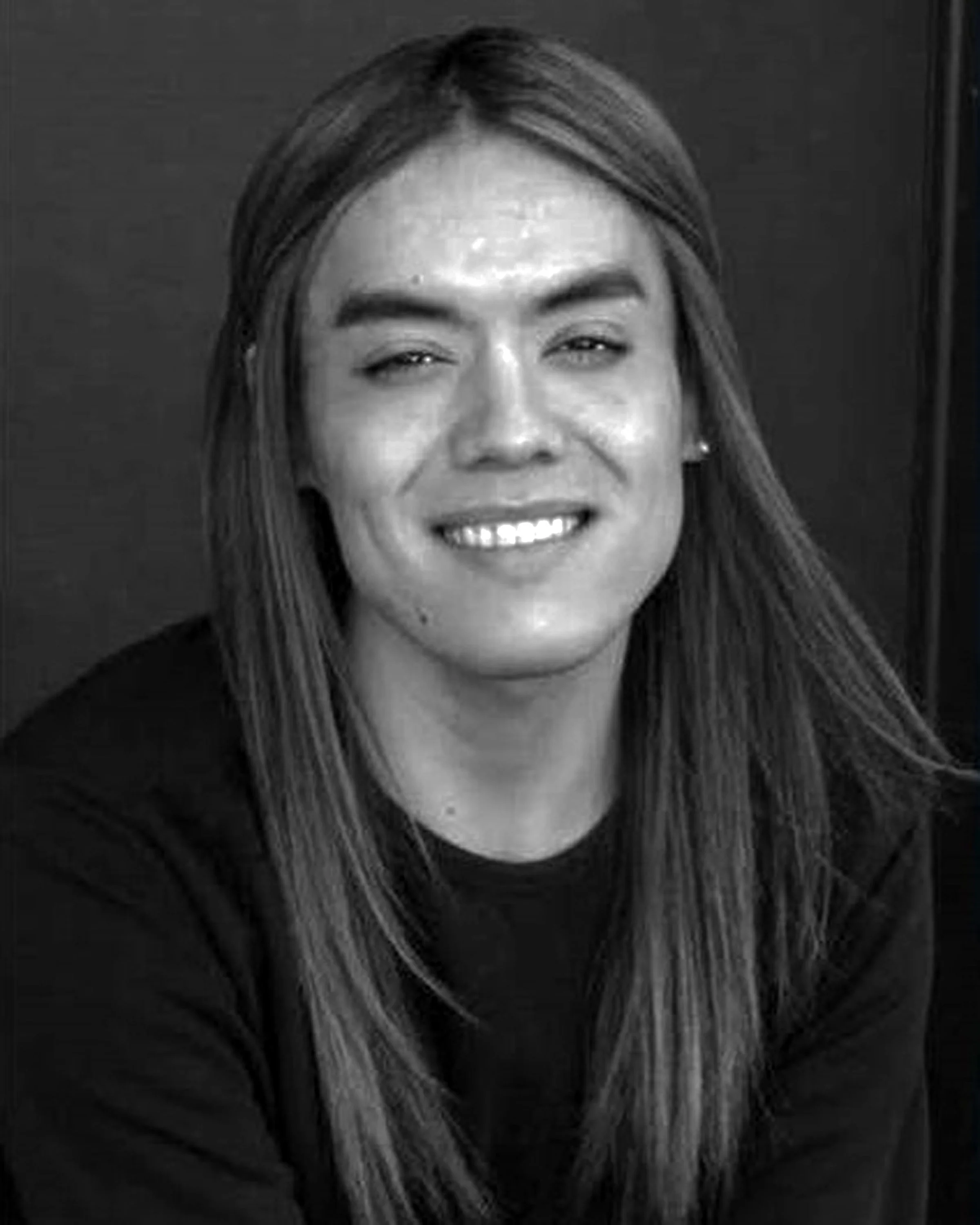
G4 Justice Director, Tsuut’ina Nation
Teddy, a 2-spirit Tsuut’ina First Nation member of Treaty 7, is currently the G4 Stoney Nakoda Tsuut’ina Tribal Council ‘s (SNTTC) Director of Justice and Public Safety. Teddy co-chairs the Tsuut’ina Nation Tosguna Police commission. Since 2022, Teddy has been on an Assembly of First Nations policing task force and is a member of the Indigenious advisory council for the Alberta Human Rights commission. He also holds a Position on the Public Safety Indigenious Advisory council under the ministry of Public Safety Alberta. Teddy is the current Chair for the First Nations Police Governance Council (FNPGC). Together, we will develop mechanisms that honour Treaty rights to Justice and Public safety, and foster community connection for all people through conversations that grow our communities.
Registration Form
Program:
Indigenous Policing 2026
Date:
June 3 & 4, 2026
Location:
Grey Eagle Resort and Casino, 3779 Grey Eagle Drive, Calgary, Alberta
Registration:
The registration fee is $1,600.00 plus GST of $80.00 totalling $1,680.00for in-person attendance. Registration fee covers your attendance at the program and electronic materials. In-person attendance includes a catered lunch and refreshments throughout the days.
Early Bird Discount:
Register by May 4, 2026 and receive a $150 discount on the registration fee ($1,450.00 plus GST). Discounts cannot be combined.
Group Discount:
Register four persons from the same organization at the same time and you are entitled to a complimentary fifth registration. Discounts cannot be combined.
If you would like to register a group, please fill out this form and email it to registrations@pbli.com:
Payment:
You may pay by VISA, Mastercard or cheque. Cheques should be made payable to the Pacific Business & Law Institute and mailed to Unit 2-2246 Spruce Street, Vancouver, BC V6H 2P3. Please do not send cheques via courier with signature required.
When and Where:
Check-in begins at 8:30 a.m. The program starts at 9:00 a.m. (MDT). The Grey Eagle Resort and Casino is located at 3779 Grey Eagle Drive, Calgary, Alberta. If you need to book a room, please contact the Reservation Department directly at 1-844-719-8777 or 403-719-8777 and provide the group name: Indigenous Policing Conference – Block ID: 413320 and dates of stay for a group rate.
Materials:
We will distribute papers and/or other materials provided by the faculty explaining many of the points raised during this program. Materials will be distributed electronically.
Cancellations/Transfers:
Refunds will be given for cancellations (less a $60.00 administration fee) if notice is received in writing five full business days prior to the program (May 27, 2026). After that time we are unable to refund registration fees. Substitutions will be permitted. We reserve the right to cancel, change or revise the date, faculty, content, availability of webinar or venue and transfer in-person registration to webinar registration for this event.
To register by phone:
Telephone us: 604-730-2500
Your Privacy:
We will keep all information that you provide to us in strict confidence, other than to prepare a delegate list containing your name, title, firm and city for our faculty and the program delegates. We do not share our mailing lists with any non-affiliated organization.
Course Accreditation:
Attendance at this course can be listed for up to 10.3 hours of continuing professional development credits with the Law Society of BC. For practitioners in other jurisdictions, please check your governing body’s CPD requirements.
If you would like to register a group, please fill out this form (DOWNLOAD FORM) and email it to registrations@pbli.com; for individual registration, please continue with form below.