
Métis Rights 2026
December 2 & 3, 2026 at 9:00AM PDT
Downtown Vancouver and Live Webinar
Métis Rights 2026
December 2 & 3, 2026
Overview
Métis rights have taken a prominent position on the Canadian legal and political landscape.
Over the last two decades, many decisions concerning Métis Rights have been issued by Canadian courts. We will review the jurisprudence on Métis issues and explore the different experiences and approaches across Canada. Many challenges and questions remain and create opportunities for change.
Our esteemed faculty of nationally recognized experts will take attendees through the contemporary landscape and the contours of Métis rights, Métis identity and Métis self-determination.
Leave this program with a comprehensive understanding of the current status of Métis rights in Canada and the key issues to watch in this dynamic area.
Key Areas Addressed:
Who are the Métis? Understanding historic and legal differences
Métis and the right of self determination
“Métis Law” as a part of Aboriginal and Indigenous law: Where are we?
Métis, the duty to consult and the tenth anniversary of the Métis MSR report
The Red River Métis Self-Government Recognition and Implementation Treaty - Negotiating and implementing Métis self-government
Litigation update - The Boyer, Poitras and St. Pierre trials in Saskatchewan
Métis involvement in major projects
Who Should Attend:
Métis and Indigenous leaders, officials, councillors, elders, negotiators, administrators, and advisors
Lawyers practising in the areas of Métis law, Indigenous law and Aboriginal law
Federal, provincial and municipal government officials and policy advisors
Consultants, negotiators and other professionals who work with Métis and Indigenous peoples
Agenda
Day One - December 2, 2026
9:00 - Welcome and Introduction by PBLI
9:05 - Chair’s Welcome and Introduction
Paul Seaman
Partner, Gowling WLG
9:10 - Who are the Métis? Understanding Historic and Legal Differences
Jean Teillet
Counsel Emeritus, Pape Salter Teillet LLP, Vancouver
Understanding the historic context
Métis nationhood, self-determination and legal traditions
Ongoing impact of Daniels v. Canada (2016)
How does the United Nations Declaration on the Rights of Indigenous Peoples fit in?
Métis identity, legal definitions and Indigenous identity fraud
10:10 - Questions and Discussion
10:20 - Refreshment Adjournment
10:35 - Métis and the Right of Self Determination
Clem Chartier
Métis Leader and Former President of Métis National Council and Former President of the World Council of Indigenous Peoples
11:25 - Questions and Discussion
11:35 - “Métis Law” as a Part of Aboriginal and Indigenous Law: Where Are We?
Paul Seaman
Partner, Gowling WLG
Making sense of the Supreme Court of Canada’s jurisprudence on Métis (Powley, Blais, Cunningham, Manitoba Métis & Daniels)
Implementing the jurisprudence through harvesting, consultation, self-government, and other agreements, and the different experiences and approaches across Canada
Emerging issues, current litigation and where we are going (Bill C-53, Treaties, Métis claims)
Implementation of UNDRIP
12:20 - Questions and Discussion
12:30 - Networking Lunch
1:30 - Métis, the Duty to Consult and the Tenth Anniversary of the Métis MSR Report
Thomas Isaac
Partner, Cassels
Understanding the Crown’s duty to consult in the Métis context
Who should be consulted in the Métis context? Who is authorized? Who decides?
Overview of approaches in various jurisdictions
Recent case law
A Review - The Tenth Anniversary of the Métis MSR Report
2:20 - Questions and Discussion
2:30 - Refreshment Adjournment
2:45 - The Red River Métis Self-Government Recognition and Implementation Treaty - Negotiating and Implementing Métis Self-Government
Allan Benoit
Chief of Staff - Senior Advisor, Manitoba Métis Federation
The status of the Treaty
The key components of the negotiations
The path to self-government
The implementation process and timeline
3:45 - Questions and Discussion
3:55 - Chair’s Closing Remarks for Day One
4:00 - Forum Concludes for Day One
Day Two - December 3, 2026
9:00 - Chair’s Welcome to Day Two
Paul Seaman
Partner, Gowling WLG
9:10 - Litigation Update - The Boyer, Poitras and St. Pierre Trials in Saskatchewan
Kathy Hodgson-Smith, KC
Senior Counsel
Status of trial following Saskatchewan Court of Appeal decision
Territorial aspects of the claim
Other cases before the courts
How this might change our understanding of Powley
9:55 - Questions and Discussion
10:05- Refreshment Adjournment
10:20 - Métis Involvement in Major Projects
Dave Lamouche
President of the Métis Settlement General Council, Alberta
11:05 - Questions and Discussion
11:15 - Faculty Roundtable
What the future may hold?
12:15 - Questions and Discussion
12:25 - Chair’s Closing Comments
12:30 - Forum Concludes
Meet the Chair
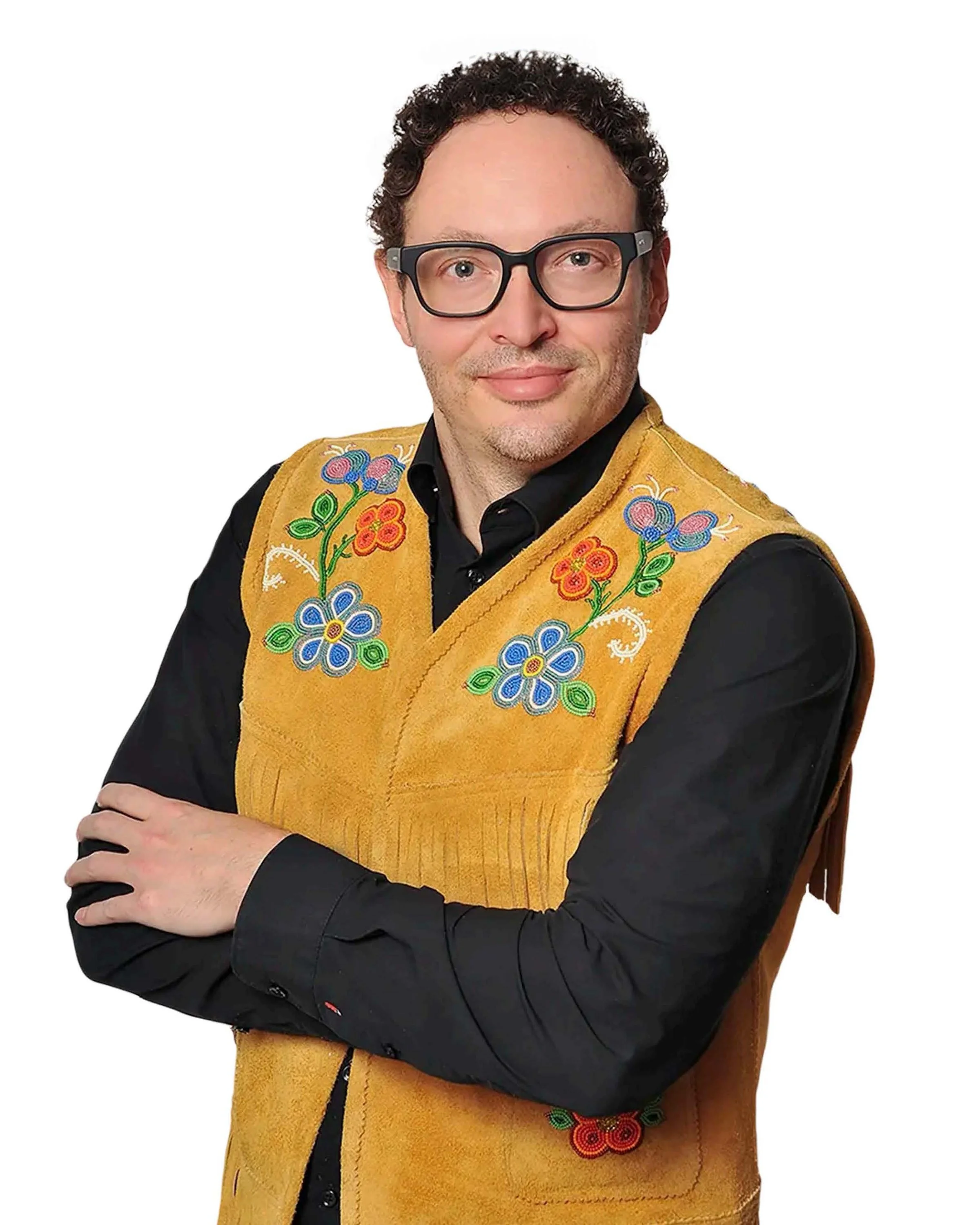
-
Partner, Gowling WLG
Paul Seaman is a partner at Gowling WLG and national leader of the firm's Indigenous Law Practice Group. He is also a member of the Environmental Law Group.
Working out of the firm's Toronto and Vancouver offices, Paul has a leading national practice and acts on complex constitutional, regulatory, and transactional matters. His Indigenous law practice focuses on projects and transactions where the Crown's duty to consult Indigenous Peoples is engaged. This includes acting for clients in the contexts of formal regulatory processes, and government-to-government and commercial negotiations involving Indigenous communities, industry, and government.
Paul regularly represents Indigenous clients in the courtroom, boardroom, and around the negotiation table across Canada on large scale and high-profile resource development projects, and in related litigation before all levels of court, including the Supreme Court of Canada. The subject matter of those mandates includes mining, oil & gas pipelines, LNG, forestry, and electricity generation and transmission projects. Paul also regularly advises Indigenous communities on complex issues relating to self-governance, membership, and citizenship-related matters, economic development, and taxation. Paul is also recognized as leading legal counsel in the ongoing development of Métis rights law in Canada.
Since 2019, the Canadian Legal Lexpert Directory has recognized Paul as a top Indigenous law lawyer, including in the Energy, Infrastructure and Mining Special Editions. Paul is also recognized by Chambers Canada in the Aboriginal Law – Representation of Indigenous Peoples category.
Prior to practising law, Paul spent nearly a decade managing a high-speed internet protocol network for one of Canada's largest cable providers. While in this role, he designed the fibre optic network for a school board, assisted in the design of a high-availability commercial metropolitan Voice-over-Internet Protocol (VoIP) network, and consulted with the RCMP on lawful intercept technology.
Paul is Métis, a proud citizen of the Manitoba Métis Federation, and an active member of the Métis community. He carried the Olympic torch in the Vancouver 2010 relay on behalf of the Métis Nation of British Columbia.
Meet the Faculty
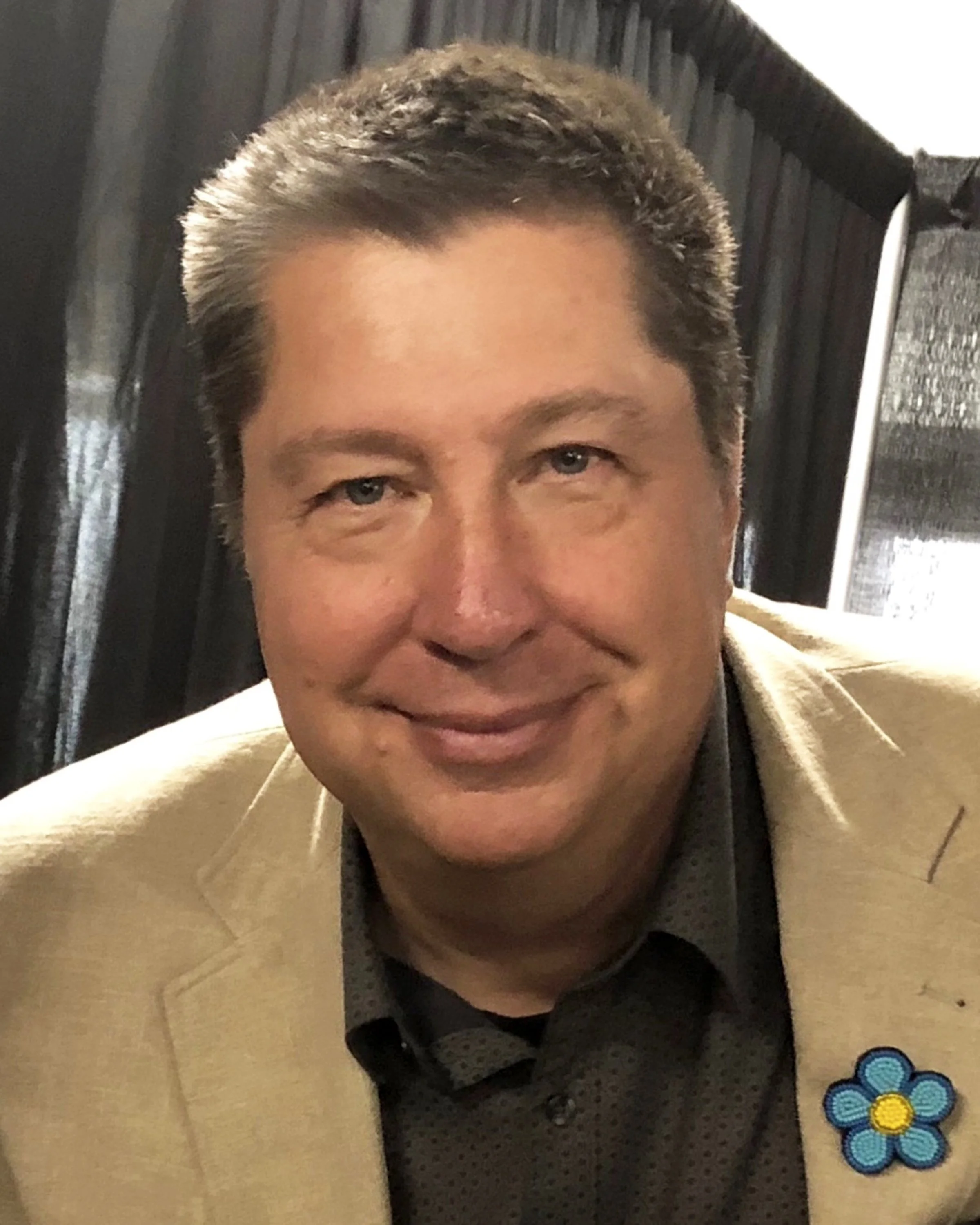
-
Chief of Staff - Senior Advisor, Manitoba Métis Federation
Allan is Chief of Staff and Senior Advisor to the Manitoba Métis Federation’s President David Chartrand and Cabinet. He has nearly thirty years of experience building the National Government of the Red River Métis. His responsibilities include coordinating teams to respond to changing legal and political environments and shape negotiated agreements, policies, and actions. He is a Red River Métis Citizen from the historic Parish of St-Norbert.
-
Métis Leader and Former President of Métis National Council and Former President of the World Council of Indigenous Peoples
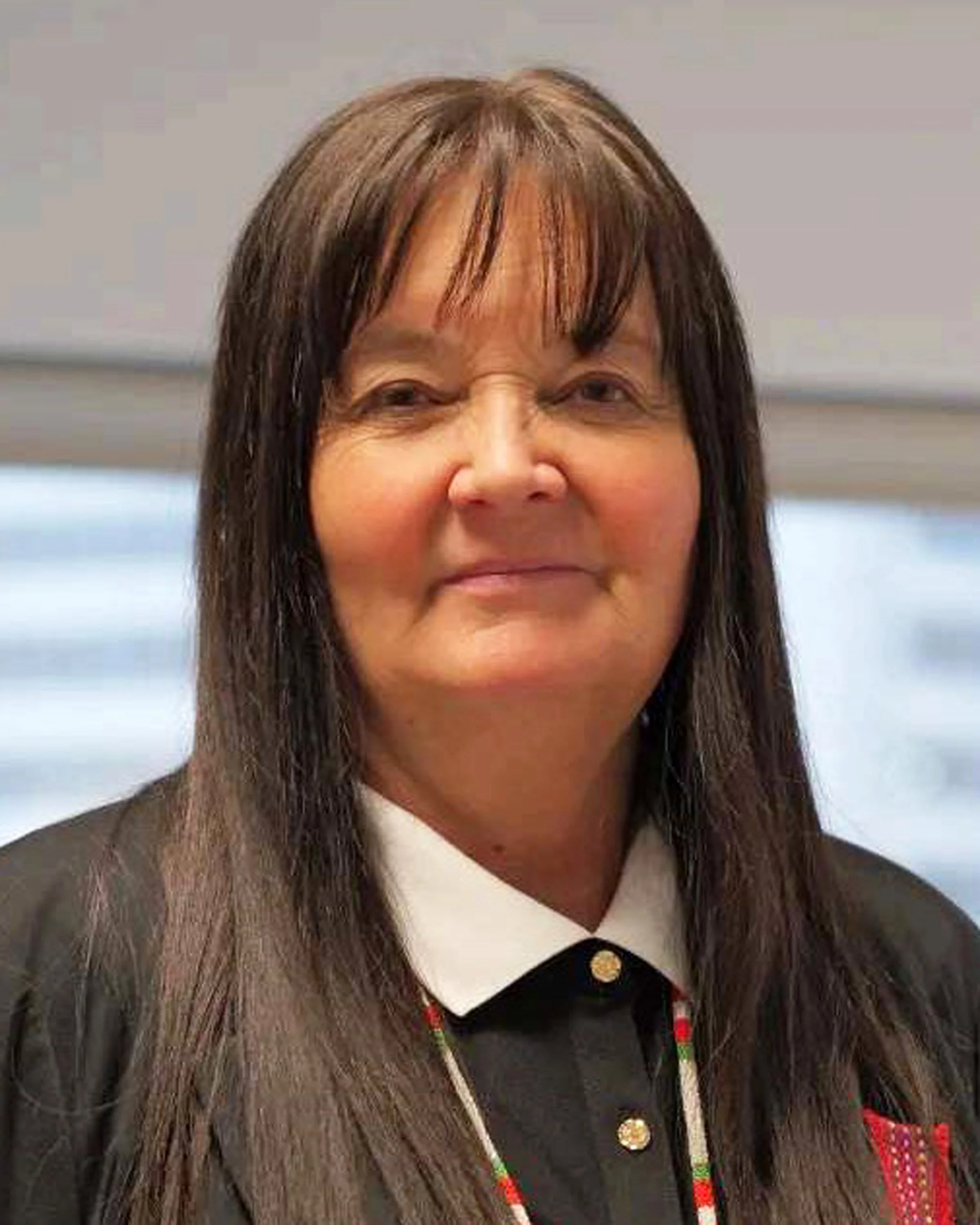
-
Senior Counsel
With decades of experience in dispute resolution, intergovernmental relations, labour management, union negotiation, acting as director of non-profits, and entrepreneurship, it is no wonder Kathy decided to go into law. Having achieved her law degree in 2008, Kathy practiced criminal law and Aboriginal law for 15 years. Seeking a new direction for her career, Kathy now devotes her time to Aboriginal Law.
During her career as a litigation lawyer, Kathy has appeared at all levels of court in Saskatchewan, including the Provincial Court, Court of King’s Bench, and Court of Appeal and in the Alberta Court of Appeal. She has also appeared before the Federal Court of Appeal, and as co-counsel at the Supreme Court of Canada.
Kathy has worked on various national policy initiatives for the Métis National Council (MNC), including the Aboriginal Human Resources Development Agreement Strategy, Canada-Aboriginal Peoples Roundtables, the Kelowna Accord, and Post-Powley. She has also given evidence at the Canadian Aboriginal Affairs Standing Committee on the effects of the McIvor decision on Métis identity. She has researched and presented on Métis Aboriginal rights law and traditional knowledge at local, provincial, national, and international forums and conducted research for the Royal Commission on Aboriginal Peoples, the Canadian Education Association and the Canada Council on Learning. She has several years of research experience conducting traditional land-use mapping for the Métis Nation.
Internationally, Kathy has appeared and spoken at the United Nations World Intellectual Property Organization (WIPO) Intergovernmental Sub-Committee (IGC) on the Protection of Indigenous Traditional Knowledge, Traditional Cultural Expressions and Traditional Knowledge Associated with Genetic Resources. Kathy has served on the Canadian Delegation to the Convention on Biological Diversity, the WIPO IGC and to the UN Framework Convention on Climate Change. She has appeared on and off Canadian Delegation to the various working groups under these international treaties.
Kathy has chaired a number of national and international committees, assemblies and meetings, including the MNC National Research Strategy and Urban Aboriginal Strategy committee, National Environment Committee, in addition to the Canadian Standards Association Technical Committee, which established a national standard for the operation of Mètis Nation Registries. She is currently the Facilitator of the Indigenous experts under the Commission for Environmental Cooperation for Canada, Mexico and the United States and the Traditional Knowledge Expert Group. She recently co-chaired the inaugural meeting of the Chiefs of Ontario and the Manitoba Métis Federation on Métis Nation Identity. She has chaired numerous national and provincial meetings of the Métis Nation, including for the national women’s organization.
-
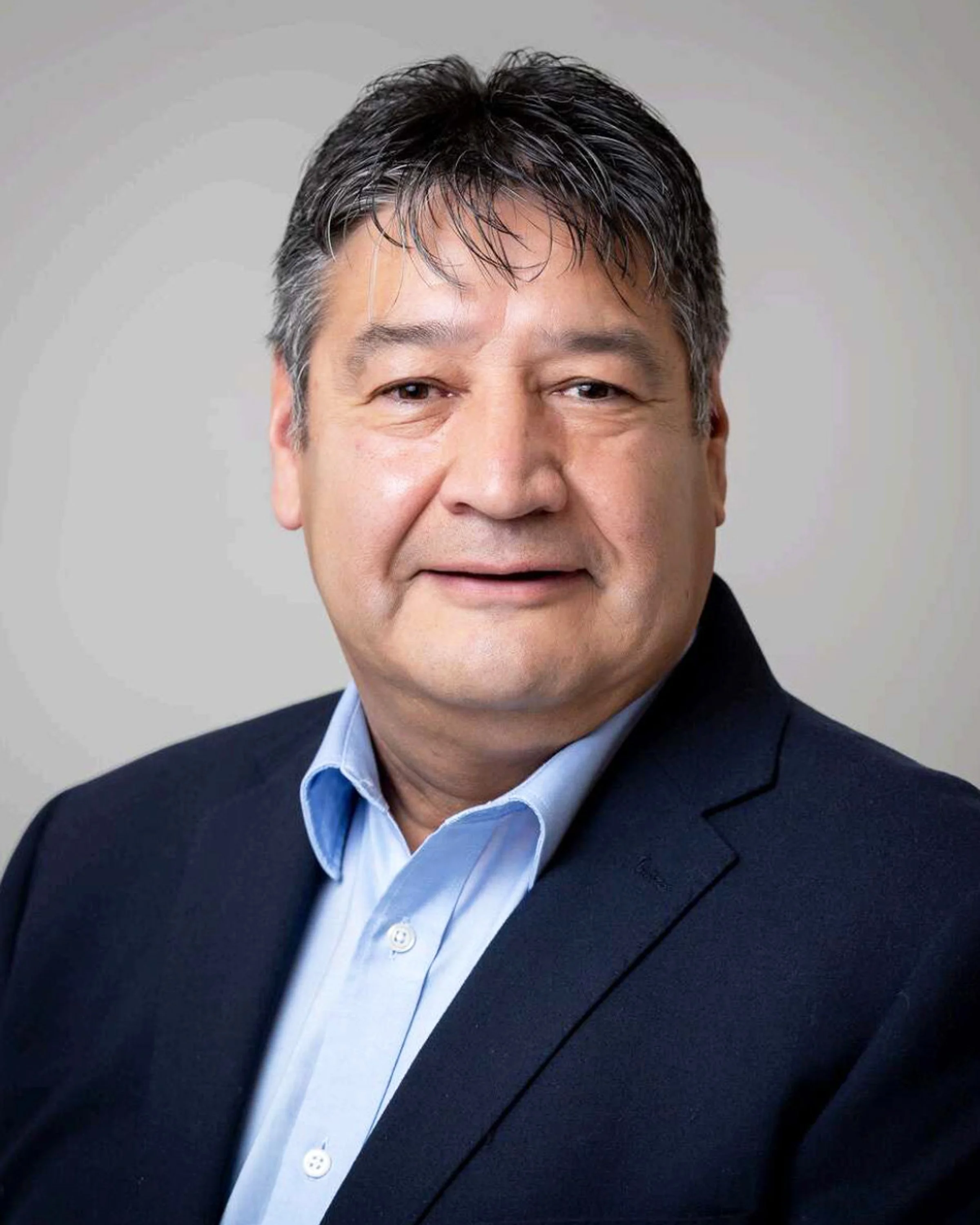
President of the Métis Settlement General Council, Alberta
Recognized as a strong people leader and public servant, Dave Lamouche serves as President of the Métis Settlement General Council (MSGC). After serving his Settlement community for more than 20 years as a local elected council member for the Gift Lake Metis Settlement, Dave was elected to President of MSGC in November 2022.
Through his professional career as an entrepreneur and business owner across diverse industries – from retail to oil and gas to logging to trucking, Dave has maintained a reputation as a strong communicator, an analytical leader, and a hard worker – all guided by his strong sense of integrity, transparency, fairness, and commitment to doing good for people.
He is a firm believer in equality and access to education and health care where he had brought his skills to work with Northlands School Division community engagement team and once sat as a Board member of The Peace Country Health Authority. He also believes in entrepreneurship and opportunity creation and has served the community on projects related to resource development and energy.
Fluent in both Cree and English, Dave has been able to use those language skills and to maximize his post-secondary education in business management to help negotiate positive outcomes for his Settlement over the years, and to clearly communicate with those he represented in his leadership role.
Dave lives with his wife in the Gift Lake Settlement and divides his time between his home there and Edmonton in his role as President. In the past, he volunteered much of his time coaching minor hockey and baseball, he is also known to don on the equipment occasionally still today.
-
Partner, Cassels
Thomas Isaac is Chair of the firm’s Aboriginal Law Group and serves as co-lead of the firm’s National Major Projects Team initiative. A nationally recognized authority in Aboriginal law, Tom advises business and government clients across Canada on Aboriginal legal matters and related regulatory, environmental assessment, negotiations and constitutional issues. Tom has extensive national experience advising energy, oil, gas, pipeline, mining, nuclear, forestry, real estate and transportation companies, and federal, provincial, territorial, municipal and Indigenous governments and agencies on Aboriginal, regulatory and constitutional matters. He regularly negotiates on behalf of industry and governments concerning impact, benefit, economic development, replacement tenure, and access agreements with Aboriginal groups, and advises on Aboriginal consultation and accommodation processes and agreements. In recognition of his important and significant work in this area, Tom was honoured as one of Canada’s “Top 25 Most Influential” lawyers by Canadian Lawyer magazine in 2018.
Tom’s litigation practice is national in scope and focuses on representing clients regarding Aboriginal and related constitutional matters before courts and tribunals across Canada, including: Supreme Court of Canada, the Federal, Ontario, Alberta, British Columbia, Saskatchewan, New Brunswick and PEI Courts of Appeal, the Manitoba Court of King’s Bench, BC Supreme Court, PEI Court of King’s Bench, New Brunswick Court of King’s Bench, Alberta Court of King’s Bench, Northwest Territories and Yukon Supreme Courts, the Ontario Divisional Court and the Federal Court of Canada, and the Canadian Energy Regulator, Ontario Energy Board, and British Columbia Environmental Appeal Board, among others. His published works on Aboriginal law have been cited with approval by Canadian courts, including the Supreme Court of Canada and the Federal Court of Appeal. Tom has also served as a mediator involving complex, multi-jurisdictional Aboriginal-related disputes.
Tom is a former Chief Treaty Negotiator for the Government of British Columbia and former Assistant Deputy Minister responsible for establishing Nunavut for the Government of the Northwest Territories. He also served in a senior capacity with the Government of Saskatchewan dealing with Aboriginal issues. Tom has published extensively in Aboriginal law, including 17 books, most notably Aboriginal Law, 6th ed. In November 2025 Tom (with Cassels’ Grace Wu) released their new book Canada & The UN Declaration on the Rights of Indigenous Peoples.
Tom was appointed as the Minister’s Special Representative to the Minister of Indigenous and Northern Affairs regarding a Section 35 Métis Rights and Reconciliation Framework and a reconciliation approach for the Supreme Court of Canada’s decision in Manitoba Métis Federation v. Canada. His Report – A Matter of National and Constitutional Import: Métis Section 35 Rights and the Manitoba Métis Federation Decision – was released by Canada in July 2016. Tom served as the Minister’s Special Representative to the Minister of Indigenous and Northern Affairs and the Premier of the Northwest Territories regarding the Akaitcho Dene and NWT Métis Nation negotiations in the Northwest Territories. His Report – A Path to Reconciliation – was released by both governments in March 2017.
Tom also served as Minister’s Special Representative for the Minister of Indigenous and Northern Affairs regarding the Gottfriedson class action settlement agreements with Canada relating to residential school day students.

-
Counsel Emeritus, Pape Salter Teillet LLP, Vancouver
As of January 1, 2024, Jean Teillet is retired and no longer entitled to practice law. As of that date, Ms. Teillet is Emeritus Counsel with Pape Salter Teillet LLP.
Jean was long engaged in negotiations and litigation with provincial and federal governments concerning Métis and First Nation land rights, harvesting rights and self-government. She served as counsel before all levels of court, including lead counsel for the landmark case R. v. Powley in which the Supreme Court of Canada affirmed constitutional protection of Métis harvesting rights. Among other significant Indigenous rights cases, she was co-counsel with Arthur Pape in Taku River Tlingit First Nation v. B.C., the companion case to Haida Nation v. B.C., in which the Supreme Court of Canada established consultation requirements. For fourteen years she was a negotiation advisor for the Sto:lo Xwexwilmexw in the BC treaty process and was part of the Pape Salter Teillet LLP legal team on the Tlicho Land Claims and Self-Government Agreement negotiations.
Jean was a founder of the Métis Nation of Ontario and the National Aboriginal Moot. She sat on the MMIWG Federal Sub-Working group. Jean is past Vice President and Treasurer of the Indigenous Bar Association of Canada and a former member of the Canadian Judicial Council Chairperson’s Advisory Group, the National Research Advisory Committee (Métis National Council) and the Equity Committee of the Law Society of Upper Canada.
In 2020 Jean’s popular history The North-West is Our Mother won the Carol Shields History Award and was shortlisted for the Canadian Law and Society Association W. Wesley Pue Book Prize. She was awarded the Governor General’s Meritorious Service Cross for service to Canada. She has been made an honorary lifetime member of the Association of Ontario Midwives for her contributions to Ontario midwifery. Jean was awarded the Indigenous Peoples’ Council award by the Indigenous Bar Association and she received a Queen Elizabeth II Diamond Jubilee Medal and the Law Society of Upper Canada’s first ever Lincoln Alexander Award for community service. Jean has three honorary doctorates from the University of Guelph, the Law Society of Ontario and Windsor University.
Jean is a frequent author and lecturer on issues surrounding access to justice, Indigenous rights, identity, and history. Her annual publication, Métis Law in Canada was the principle resource on Métis rights and case law. She has presented internationally in Russia, Poland, Israel, Japan, United States and China. In Canada, she has spoken at conferences for the National Judicial Institute, Association for Canadian Studies, the Law Society of Ontario, the Ontario Native Justices of the Peace, the Universities of Alberta, Ottawa, Saskatoon, and Toronto, among others. She has been on faculty at the Banff Centre and the Allard School of Law where she taught self-government negotiation, methodologies for understanding traditional Indigenous law, constitutional law, and Métis law. She frequently lectured at the faculties of law across the country.
In 2019 Jean wrote a popular history, The North-West is Our Mother: The Story of Louis Riel’s People, the Métis Nation, which was published by HarperCollins and was listed as one of the Globe & Mail’s top 100 books of 2019. In 2024 the Vancouver Chamber Choir will premiere a Métis suite of songs she wrote in collaboration with Métis composer Pat Carrabre. Jean has been a fibre artist for over forty years and she created all four of the replica wampum belts in the collection at the Law School of the University of Toronto. One belt, the Two-Row Wampum Belt, hangs in Flavelle Hall at the Law School. Jean also created another belt for the Stó:lō Xwexwilmexw called the S’ólh Lets’emót Swṓqw’elh. Both the Swṓqw’elh and the Two-Row Wampum Belt are symbols of two different peoples living together with different laws and customs within a relationship built on respect and truth.
Jean received her LL.B and LL.M from the University of Toronto Faculty of Law.
Jean has been recognized as a “best lawyer” in Vancouver by Best Lawyers in Canada and as a “leading lawyer” nationally by Chambers & Partners. She was ranked as one of the “most frequently recommended” leading practitioners in the field of Indigenous law in the peer rankings published by Lexpert Magazine.
Jean currently sits on the boards of PEN Canada, the Glenbow Museum, Indspire, and Save the Children Canada.
Registration Form
Program:
Métis Rights 2026
Date:
December 2 & 3, 2026
Location:
UBC Robson Square (800 Robson Street - Classroom level), Vancouver, BC
Registration:
The registration fee is $1,450.00 plus GST of $72.50 totaling $1,522.50 for webinar and in-person attendance. Registration fee covers your attendance at the program and electronic materials. In-person attendance includes a catered lunch and refreshments throughout the day.
Early Bird Discount:
Register by October 20, 2026 November 3, 2026 (early bird deadline extended!) and receive a $150 discount on the registration fee ($1,300.00 plus GST). Discounts cannot be combined.
Group Discount:
Register four persons from the same organization at the same time and you are entitled to a complimentary fifth registration. Discounts cannot be combined.
If you would like to register a group, please fill out this form and email it to registrations@pbli.com:
Payment:
You may pay by VISA, Mastercard or cheque. Cheques should be made payable to the Pacific Business & Law Institute and mailed to Unit 2-2246 Spruce Street, Vancouver, BC V6H 2P3. Please do not send cheques via courier with signature required.
When and Where:
Check-in begins at 8:30 a.m. The program starts at 9:00 a.m. (PDT). UBC Robson Square is located at 800 Robson Street in Vancouver, BC, and our event will take place on the classroom level. Please visit https://robsonsquare.ubc.ca/find-us/ for directions.
Materials:
The faculty will prepare papers and/or other materials explaining many of the points raised during this program. Materials will be distributed electronically. Please contact us at registrations@pbli.com if you are unable to attend the program and wish to purchase a set of materials.
Cancellations/Transfers:
Refunds will be given for cancellations (less a $60.00 administration fee) if notice is received in writing five full business days prior to the program (November 25, 2026). After that time we are unable to refund registration fees. Substitutions will be permitted. We reserve the right to cancel, change or revise the date, faculty, content, availability of webinar or venue and transfer in-person registration to webinar registration for this event.
To register by phone:
Telephone us: 604-730-2500
Your Privacy:
We will keep all information that you provide to us in strict confidence, other than to prepare a delegate list containing your name, title, firm and city for our faculty and the program delegates. We do not share our mailing lists with any non-affiliated organization.
Course Accreditation:
Course Accreditation: Attendance at this course can be listed for up to 8.75 hours of continuing professional development credits with the Law Societies of BC and Ontario. For practitioners in other jurisdictions, please check your governing body’s CPD requirements.
If you would like to register a group, please fill out this form (DOWNLOAD FORM) and email it to registrations@pbli.com; for individual registration, please continue with form below.